
What is a swimming pool motor?
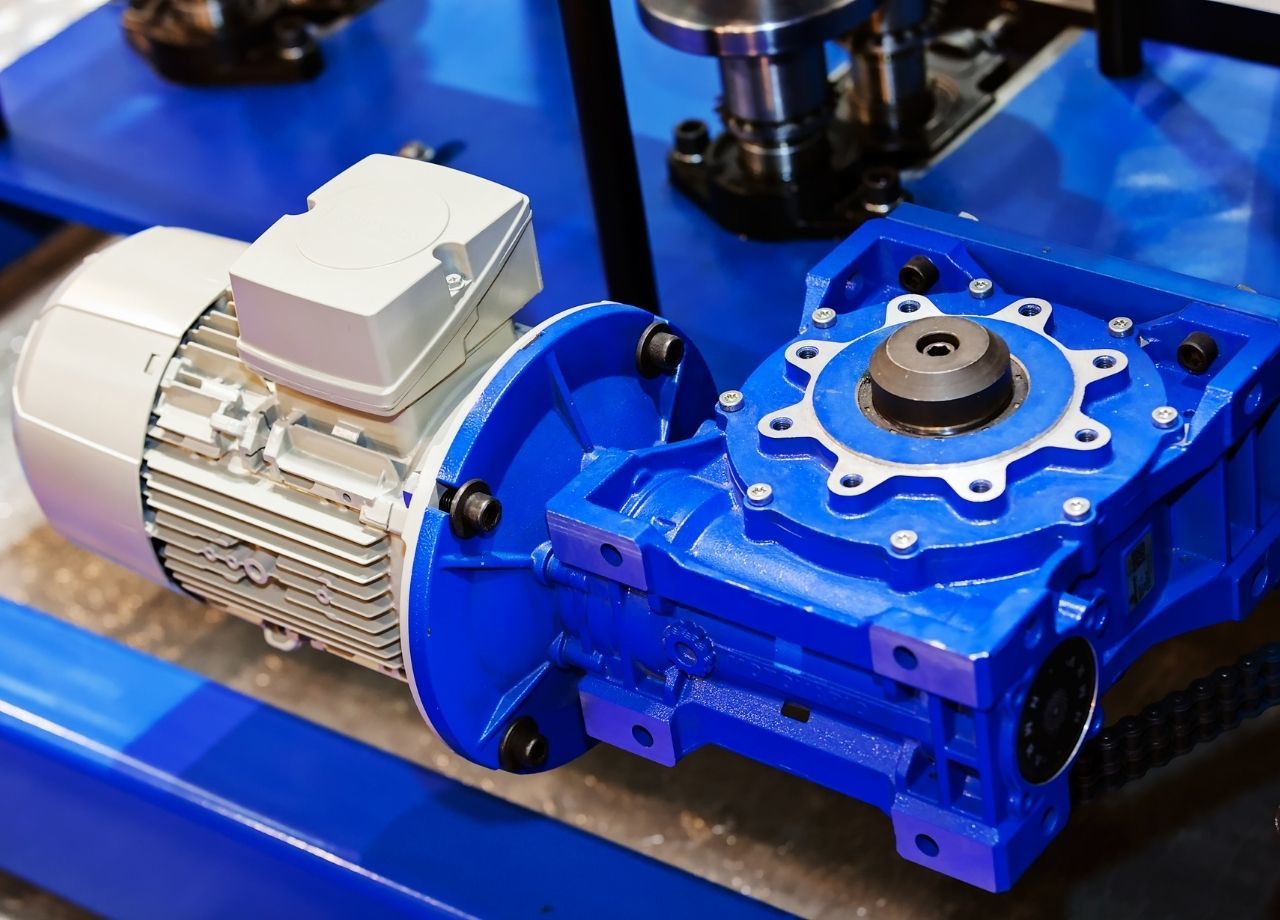
Things to Consider When Choosing a Pool Motor
A pool pump is one of the most important pieces of equipment used to filter and clean the pool water. There are some points to consider when choosing a pool pump. By paying attention to these points, you can keep your pool water clean and healthy.
To choose the right motor for your pool, you need to consider its size, shape, and depth. The larger your pool, the more powerful a motor you'll need. The deeper your pool, the more flow rate you'll need a motor that produces.
The energy efficiency of a pool motor is also important. Motors with high energy efficiency filter your pool water using less energy. This will help reduce your electricity bills.
When choosing a pool motor, you should also consider the noise level. Motors with high noise levels can cause noise in your pool.
When choosing a pool motor, it's important to opt for a brand that offers reliable service and spare parts. This way, you can quickly receive service and replacement parts should any problems arise with your motor.
When choosing a pool motor, you can consider the following criteria:
The shape of your pool
The depth of your pool
Motor energy efficiency
Engine noise level
Service and spare parts availability for the engine.
When choosing a pool motor, you should pay attention to the following points:
Make sure the motor has the correct power.Ensure the motor has high energy efficiency.
Make sure the engine noise level is low.
Ensure the availability of service and spare parts for the engine.
By paying attention to the points to consider when choosing a pool motor, you can keep your pool water clean and healthy.
What should be considered when choosing a swimming pool motor?
Here are some points to consider when choosing a pool motor:
You need to choose a motor with the right power for your pool. The size, shape, and depth of your pool will determine the motor power you need.Choosing an energy-efficient motor will help you reduce your electricity bills.
Choosing a low-noise motor will prevent it from causing noise in your pool.
Choosing an engine with readily available service and spare parts ensures you can quickly address any issues that may arise.
Tips for Choosing a Pool Motor
Here are some key points to consider when choosing a pool motor:
Seek help from an expert when choosing a pool motor. An expert will help you select a motor suitable for your pool's needs.Before purchasing a pool motor, carefully review its specifications and warranty conditions.
After purchasing the pool motor, carefully follow the installation and maintenance instructions.
What should we consider when choosing a pool motor?
Here are some points to consider when choosing a pool motor:
The power of your pool pump should be appropriate for the size of your pool. The larger your pool, the more powerful a pump you will need.The energy efficiency of a pool motor helps reduce your electricity bills.
The noise level of the pool pump should not cause noise in your pool.
The availability of service and spare parts for your pool motor ensures that you can quickly address any problems that may arise with your motor.
Things to Consider When Buying a Pool Motor
Here are some points to consider when buying a pool motor:
Before buying a pool motor, make sure you choose one that is suitable for your pool's needs.Carefully review the specifications and warranty conditions of the pool motor.
After purchasing the pool motor, carefully follow the installation and maintenance instructions.
What is a swimming pool motor?
A pool pump is a device used to filter and clean pool water. The pump draws water in through an intake, passes it through a filter, and finally pumps it back into the pool.
The pool pump is one of the most important pieces of equipment for keeping pool water clean and healthy. Dirt, dust, leaves, and insects in the pool water are removed by the pump through the filter. This prevents the growth of bacteria and algae in the pool water, making it healthier.
Pool motors are a type of pump commonly referred to as centrifugal pumps. Centrifugal pumps move water through the action of the motor's rotating impeller. The rotation of the impeller pushes the water outwards by centrifugal force, thus ensuring water circulation.