
Building a Sauna at Home: Costs and Steps
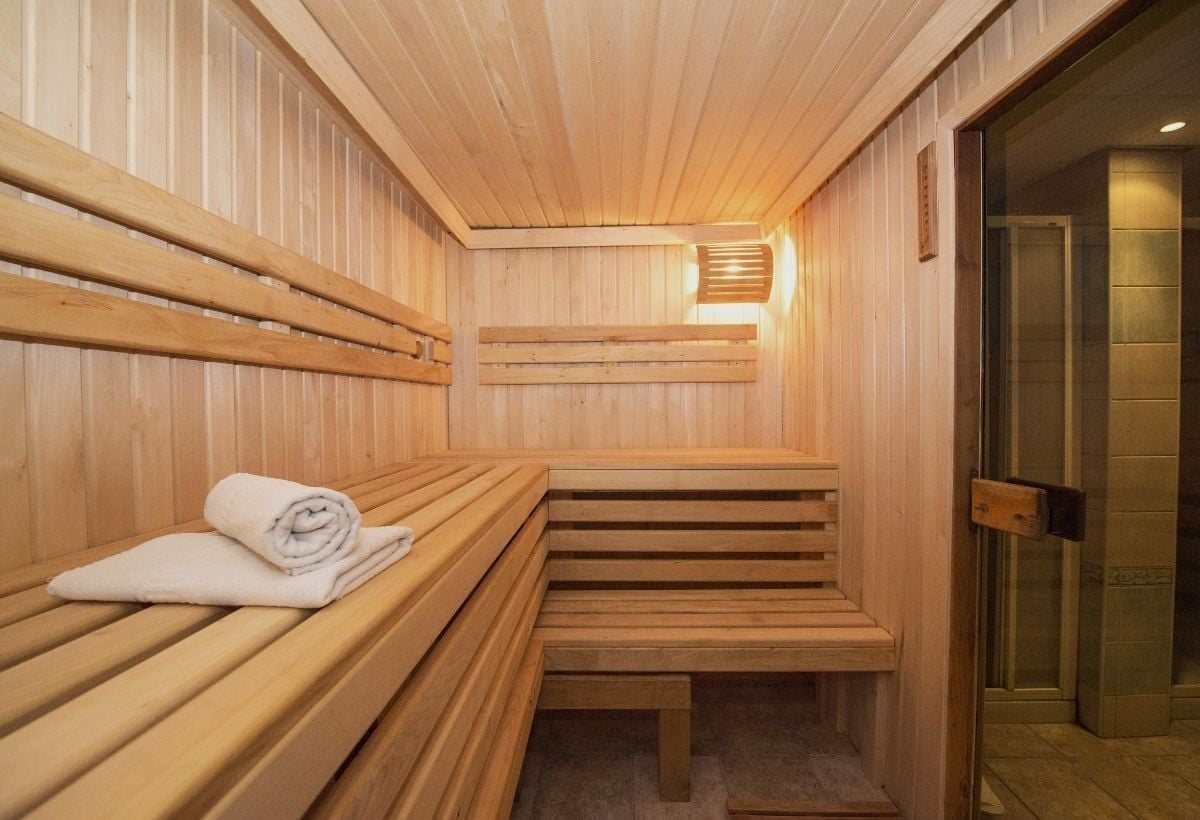
How much does it cost to have a sauna built?
Building a sauna has a cost that varies depending on many factors. These factors include the size of the sauna, the materials used, the heating system, and labor costs. Generally, the cost of building a sauna ranges from 50,000 TL to 150,000 TL.
How to Build a Sauna?
Sauna construction basically consists of the following steps:
A suitable area is chosen for the sauna.The sauna walls and floor are covered with wood.
The sauna heater is installed.
The sauna is ventilated.
Sauna doors and windows are installed.
The sauna is decorated.
How many square meters is a sauna?
The size of a sauna varies depending on the number of users. Generally, a sauna requires at least 2 m2 of space. However, a larger sauna may be needed for more users.
2. Costs of Sauna Construction
Steps to Build a Sauna
How do you determine the ideal space for a sauna?
The ideal space for a sauna should have the following characteristics:
It should be large enough so you can sit or lie down comfortably.It should be well ventilated so that moisture and heat can escape.
It needs to be quiet so you can relax.
It should be discreet so you can protect your privacy.
The importance of sauna location
The sauna should be located in an easily accessible place in your home. It could be in a frequently used room, such as the bathroom or bedroom. It can also be outside your home. However, if it's outdoors, it needs to be covered with a roof or awning to protect it from the weather.
Accessibility factors
Saunas should be designed to be accessible to people with disabilities. Entry to the sauna should be easy, and you should be able to move around comfortably inside. The sauna should also include a shower and toilet accessible to people with disabilities.
When choosing the ideal location for a sauna, you should consider the factors mentioned above. The sauna should be a comfortable and enjoyable experience for you.
3.2. Material Selection and Design
Materials used in sauna construction
The most common materials used in sauna construction are wood, stone, and glass. Wood helps maintain the sauna's temperature and humidity. Stone gives the sauna a natural look and distributes heat evenly. Glass illuminates the sauna's interior and allows it to open up to the outside.
Types of wood used in sauna construction
The most common types of wood used in sauna construction are spruce, pine, and cedar. These woods are preferred because they are resistant to high temperatures and humidity in saunas. Spruce is the most suitable type of wood for saunas. Spruce is a soft and light wood and gives the sauna a natural look. Pine is not as soft and light as spruce, but it is a more durable wood for saunas. Cedar is more expensive than spruce and pine, but it gives the sauna a more luxurious look.
3.3. Heating System and Installation
Electric heaters
Electric heaters are the most common type of heating used in saunas. They are easy to install and use. Furthermore, electric heaters are more economical than other heating methods.
Wood-burning heaters
Wood-burning heaters are a more traditional type of heating in saunas. They can reach higher temperatures and offer a more natural sauna experience. However, wood-burning heaters are more expensive and require more maintenance than electric heaters.
Infrared heaters
Infrared heaters are a newer type of heating in saunas. They heat the sauna using infrared rays. Compared to other heating methods, infrared heaters heat up faster and consume less energy.
Which heater should I choose?
Which heater you choose depends on the size of your sauna, your budget, and your preferences. If you have a small sauna, electric heaters are a good option. If you have a large sauna, wood-burning heaters are a good option. If you have a limited budget, electric heaters are a good choice. If you want a natural sauna experience, wood-burning heaters are a good option. If you want to heat up quickly, infrared heaters are a good choice.
Things to consider when choosing a sauna heater.
There are some important points to consider when choosing a sauna heater:
How big is your sauna?What is your budget?
Looking for a natural sauna experience?
Do you want to warm up quickly?
By paying attention to these points, you can choose the most suitable heater for your sauna.
Good ventilation and proper insulation are critical for both safety and energy efficiency in a sauna.
How to properly ventilate a sauna?
A sauna should be well-ventilated. This helps to remove moisture and heat from the sauna. Moisture and heat in a sauna can negatively affect the health of users. Furthermore, moisture and heat in a sauna can cause damage to the walls and ceiling.
A sauna can be well ventilated using the following methods:
There should be a window in the sauna.The sauna must have a ventilation fan.
Saunas should be cleaned regularly.
How does a sauna save energy?
A sauna should be properly insulated. This helps prevent heat from escaping the sauna. Heat escaping increases the sauna's energy consumption.
A sauna can be properly insulated using the following methods:
The sauna is clad in wood.The sauna is insulated with fiberglass.
The sauna is insulated with rock wool.
If a sauna is well-ventilated and properly insulated, both safety and energy efficiency can be ensured.
Sauna Ventilation
Sauna ventilation helps to remove moisture and heat from the sauna. This helps protect the health of sauna users and prevents damage to the sauna walls and ceiling.
Sauna ventilation can be provided by the following methods:
Window: A sauna should have a window. The window helps to release moisture and heat from the sauna.Ventilation fan: A sauna should have a ventilation fan. The ventilation fan helps to remove moisture and heat from the sauna.
Door: The sauna door should be covered with a good insulation material. This helps prevent moisture and heat from escaping the sauna.
Cleaning: The sauna should be cleaned regularly. This helps prevent the buildup of moisture and heat in the sauna.
Sauna Insulation
Sauna insulation helps prevent heat from escaping the sauna. This helps reduce the sauna's energy consumption.
Sauna insulation can be achieved with the following materials:
Wood: The sauna is clad in wood. Wood is a good insulation material and helps prevent heat from escaping the sauna.Fiberglass: The sauna is insulated with fiberglass. Fiberglass is a good insulation material and helps prevent heat from escaping the sauna.
Stone wool: The sauna is insulated with stone wool. Stone wool is a good insulation material and helps prevent heat from escaping the sauna.
If a sauna is well-ventilated and properly insulated, both safety and energy efficiency can be ensured.
Sauna entrance is a crucial part of design and safety. Tips will be offered on how to design a sauna entrance, including the placement and safety of doors and windows.
How would you design a sauna entrance?
When designing the sauna entrance, you should consider the following factors:
Sauna entrance size: The size of the sauna entrance should be appropriate for the size of the sauna. If the sauna entrance is too small, it will be difficult to enter and exit. If the sauna entrance is too large, heat loss in the sauna will increase.Location of the sauna entrance: The sauna entrance should be in an easily accessible location within the sauna. It should be in a room or hallway near the sauna.
Sauna entrance door: The sauna entrance door should help maintain the sauna's temperature. It should be made of a good insulating material such as wood or glass. The sauna entrance door can be sliding or hinged.
Sauna entrance window: The sauna entrance window allows natural light to enter the sauna. The sauna entrance window should be small. The sauna entrance window should also help maintain the sauna's temperature.
Sauna entrance security
To ensure the safety of the sauna entrance, the following precautions should be taken:
The sauna entrance door must be lockable.The sauna entrance window must be covered with safety glass.
A fire alarm should be located near the sauna entrance.
A fire extinguisher should be located near the sauna entrance.
When designing and ensuring the safety of your sauna entrance, considering the factors mentioned above will help you create a safer and more enjoyable sauna experience.
The interior decoration of a sauna can significantly impact the experience. Lighting, seating arrangements, and materials used can all contribute to making the sauna a comfortable and enjoyable experience.
Lighting
Lighting in a sauna can significantly affect its atmosphere. The lighting should be soft and relaxing. Using bright lights in a sauna can make it harder to relax. You can create soft lighting in a sauna using lamps or candles.
Seating arrangement
The seating arrangement in the sauna should allow you to sit or lie down comfortably. You should use comfortable chairs or armchairs. You can adjust the seating arrangement according to the size and shape of the sauna.
Materials
The materials used in a sauna should help maintain the sauna's temperature and humidity. Using natural materials like wood will help maintain the sauna's temperature and humidity. Using materials like plastic or metal will not help maintain the sauna's temperature and humidity.
When decorating your sauna, keeping the factors mentioned above in mind will help create a more comfortable and enjoyable experience.
Here are some tips for decorating the interior of your sauna:
Use soft and relaxing lighting in the sauna.In the sauna, use comfortable chairs or armchairs.
Use natural materials like wood in the sauna.
Don't use too many items in the sauna.
In the sauna, create a clean and tidy environment.
Building a sauna can be a process requiring expertise. We will discuss various workmanship options (doing it yourself vs. getting professional help) and the areas that require specialization.
You can build your own sauna.
You can build a sauna yourself. However, this may involve some challenges and risks. Here are some important points to consider when building a sauna:
Choose a suitable location for your sauna. The sauna should be in a well-ventilated area that can remove moisture.Choose the right materials for your sauna. The materials used in a sauna must be resistant to high temperatures and humidity.
Install the sauna heater correctly. A sauna heater can cause a fire if not installed correctly.
Ensure the electrical wiring in the sauna is installed correctly. Improper electrical wiring in a sauna can cause electric shock.
Seek professional help in sauna construction.
Getting professional help for sauna construction is the best option. Misa, a professional sauna builder, possesses all the necessary experience and knowledge in sauna construction. A professional sauna builder will ensure your sauna is safe and efficient.
Areas requiring expertise in sauna construction
The areas requiring expertise in sauna construction include:
Choosing a suitable location for a sauna.Choosing the right materials for a sauna.
Proper installation of the sauna heater.
Ensuring the electrical system in the sauna is installed correctly.
Sauna construction requires expertise in these areas, making it difficult to do on your own. Seeking professional help in sauna construction is the best option.
There are some important points to consider when using a sauna. This article will share information on precautions to take during sauna use and practical tips for sauna maintenance.
Things to consider when using a sauna
Take a shower before entering the sauna. This will prevent the spread of bacteria found in the sauna.Drink plenty of water before entering the sauna. This will help prevent dehydration in the sauna.
Stay in the sauna for a maximum of 15-20 minutes. Staying longer can cause your body to overheat.
While in the sauna, sweat as much as possible. Sweating will help your body get rid of toxins.
The sauna temperature should be between 70-80 degrees Celsius. Higher temperatures can cause your body to overheat.
The humidity in a sauna should be between 50-60%. Lower humidity can cause your skin to dry out.
After leaving the sauna, take a cold shower or go for a swim. This will help regulate your body temperature.
After your sauna session, drink plenty of water and try to relax.
Practical tips for sauna maintenance.
Clean the sauna once a week.To clean the sauna, use a mild soap and water.
After cleaning the sauna, dry it thoroughly.
Check the sauna heater regularly.
If the sauna heater isn't working properly, it can cause a fire.
Regularly check the sauna's electrical system.
If the sauna's electrical system doesn't work properly, it can cause an electric shock.
This information about sauna use and maintenance will help you enjoy your sauna safely and efficiently.
A sauna is an experience spent in a high-temperature and humid environment. Traditionally prevalent in Finnish culture, saunas have become popular worldwide today. Saunas offer numerous health and relaxation benefits.
The positive effects of sauna on the body include:
It reduces stress.It increases blood circulation.
It removes toxins.
It improves skin health.
It relieves joint pain.
It opens the airways.
It improves sleep quality.
It strengthens the immune system.
Here are some reasons why sauna culture is becoming increasingly popular:
Saunas offer many benefits in terms of health and relaxation.Saunas reduce stress and improve blood circulation.
Saunas help eliminate toxins and improve skin health.
Saunas relieve joint pain and open up the airways.
Saunas improve sleep quality and strengthen the immune system.
Saunas are a beneficial health practice when used safely. However, there are some points to consider when using a sauna:
Take a shower before entering the sauna.Drink plenty of water before entering the sauna.
Stay in the sauna for a maximum of 15-20 minutes.
While in the sauna, sweat as much as possible.
The sauna temperature should be between 70-80 degrees Celsius.
The humidity in the sauna should be between 50-60%.
After leaving the sauna, take a cold shower or go for a swim in the pool.
After your sauna session, drink plenty of water and try to relax.
Saunas offer numerous health and relaxation benefits. You can enjoy these advantages by using a sauna safely.
7. Safety Points to Consider During Sauna Construction
Safety is a top priority during sauna construction. The focus will be on safety issues such as the correct installation of electrical equipment, adequate ventilation, and how to optimize woodworking to minimize fire risk.
electrically powered devices
Electrical equipment used in saunas can cause fires if not installed correctly. It is important to have electrical equipment installed by a qualified electrician.
Ventilation
Saunas should be well-ventilated. If saunas lack adequate ventilation, users may experience oxygen deficiency. Windows or ventilation fans should be used for ventilation in saunas.
Woodworking
The wood used in saunas must be fire-resistant. Fire-resistant wood will reduce the risk of fire in the sauna.
Tips to reduce fire risk
The following tips can be considered to reduce the risk of fire in saunas:
Install electrically operated devices correctly in saunas.Ensure adequate ventilation in saunas.
Use fire-resistant wood.
Do not use open flames in saunas.
Do not smoke in saunas.
Keep saunas clean and tidy.
By following these tips to reduce the risk of fire in saunas, saunas can be used safely.
Energy efficiency is important from both environmental and financial perspectives. The discussion will focus on how sauna insulation and heating systems can help save energy. It will also explain how a sauna can reduce energy costs in the long term.
Sauna insulation helps maintain the sauna's temperature. A well-insulated sauna can be kept warmer with less energy. Various materials can be used for sauna insulation. The most commonly used materials are fiberglass, mineral wool, and polyurethane foam.
Sauna heating systems are used to heat a sauna. Sauna heating systems can be electric, gas, or wood-fired. Electric heating systems are the most commonly used. Gas heating systems consume less electricity but are more expensive. Wood-fired heating systems are the most environmentally friendly heating systems, but they are also the most expensive.
Sauna insulation and heating systems can improve the energy efficiency of a sauna, thereby reducing energy costs. A well-insulated and efficiently heated sauna can be kept hotter with less energy. This helps to lower the sauna's energy expenses.
Sauna insulation and heating systems can also make the sauna more environmentally friendly by increasing its energy efficiency. A well-insulated sauna can be kept hotter with less energy. This leads to lower greenhouse gas emissions.
Sauna insulation and heating systems are beneficial both environmentally and financially by increasing the energy efficiency of the sauna. Sauna insulation and heating systems help keep the sauna warmer with less energy. This reduces the energy costs of the sauna and makes it more environmentally friendly.
Wood is the primary material used in traditional sauna construction, but alternative materials can also be used. This article will focus on how alternative materials such as concrete, glass, and metal can be incorporated into sauna design.
Concrete
Concrete is a durable and long-lasting material. Using concrete in sauna construction ensures the sauna will last for many years. Concrete can also give the sauna a modern look.
Pine
Glass can add spaciousness and brightness to a sauna. Using glass in sauna construction can make the sauna appear larger and brighter. Glass can also give a sauna a modern look.
Metal
Metal can give a sauna a modern and industrial look. Using metal in sauna construction can also make the sauna more unique. Metal can also provide a durable and long-lasting structure for the sauna.
Using alternative materials in sauna design can give the sauna a different look and function. The choice of material used in sauna construction depends on the sauna's intended use and the user's preferences.
Just as important as building a sauna is its subsequent cleaning and maintenance. This article will explain how to clean a sauna, how to perform routine maintenance, and what to consider for a long-lasting sauna experience.
How to clean a sauna?
The sauna should be cleaned after each use. A mixture of mild soap and water can be used for cleaning the sauna. The walls, floor, and ceiling of the sauna should be wiped with soapy water. The heater in the sauna should be cleaned regularly to remove dust and dirt. The windows of the sauna should be wiped with a damp cloth.
Routine maintenance
The sauna should undergo routine maintenance every month. During routine maintenance, the walls, floor, and ceiling of the sauna should be wiped with a disinfectant solution. The heater in the sauna should be cleaned with a disinfectant solution. The sauna windows should be wiped with a damp cloth.
What should be considered for a long-lasting sauna experience?
To ensure a long-lasting sauna experience, the following points should be considered:
The sauna should be cleaned after each use.The sauna should undergo routine maintenance every month.
The sauna heater must be used properly.
The sauna should not be exposed to excessively high temperatures.
The sauna should be protected from humidity.
The sauna should be located in a place inaccessible to children and animals.
By paying attention to these points, you can ensure your sauna lasts a long time.
A sauna can also be a social experience. The enjoyable aspects of sauna use will be highlighted, focusing on the memories and shared experiences with family and friends.
Saunas are a great way to reduce stress, relax, and socialize. While in the sauna, hormone levels in the body change, which helps reduce stress. Spending time in the sauna can make you feel better and more energetic. Saunas are a wonderful social activity to enjoy with family and friends. While in the sauna, you can chat, listen to music, and spend time together. Spending time with family and friends in the sauna helps strengthen relationships.
Sauna use is a social activity with many benefits. The enjoyable aspects of sauna use, the memories and shared experiences with family and friends, make it even more special.
Here are some of the benefits of using a sauna:
It reduces stress.It relaxes
It increases blood circulation.
It removes toxins.
Improves skin health.
It relieves joint pain.
It opens the airways.
Improves sleep quality.
It strengthens the immune system.
Some social benefits of using a sauna include:
Spending time with family and friendsSocializing
Reducing stress
Relax
Having a good time
A private sauna is typically designed to meet an individual's specific needs. These saunas can come in various sizes, styles, and features. Private saunas are generally more expensive, but they offer a personalized experience.
If you're looking for inspiration for sauna design, you can find many different design examples online or in books. Here are some important points to consider when designing a sauna:
Sauna sizeSauna style
Features of the sauna
Location of the sauna
When designing a sauna, you should consider your own needs and preferences. Your sauna should be designed to offer a comfortable and enjoyable experience.