
How does a pool pump work?
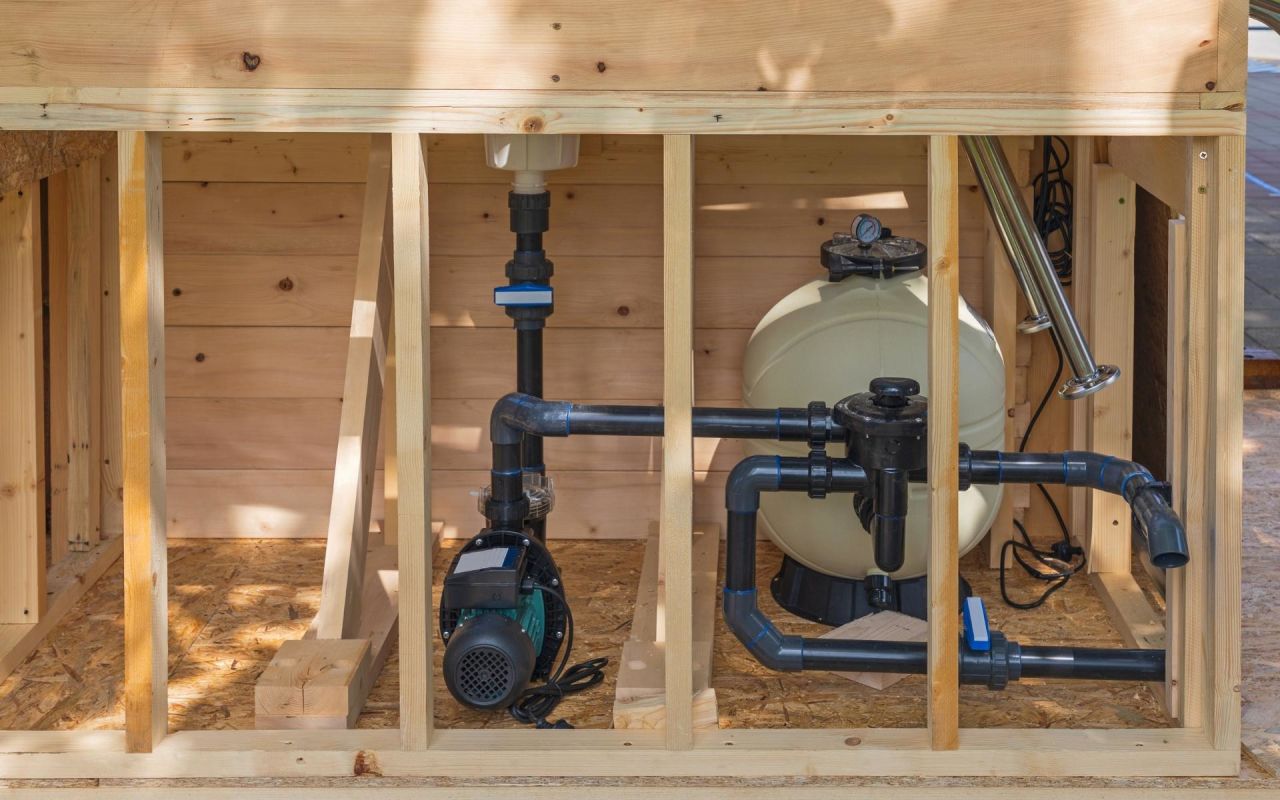
How does a pool pump work?
Suction process: The pool pump has a suction section that draws in water and directs it to the pumping system. This section contains a filter that prevents large water particles from passing through and protects the pump from damage.
Pumping process: The pool pump uses a pumping mechanism to pressurize the water it receives from the suction end. This pressurization process passes the water through the pool pipes and filter system. This ensures the purification and circulation of the water. Filtration process: Located immediately behind the pump mechanism in the pool pump is a filter system. These filters trap dirt, leaves, insects, and other particles in the water. This purifies the pool water and maintains its quality.
Return process: After being pumped through the filter system, the water is returned to the pool's return pipe. The return line consists of pipes and showers that return the water to the pool. The showers ensure circulation by distributing the water evenly throughout the pool.
Continuous operation: Pool pumps typically run continuously or have a programmable timer. This ensures constant circulation of the pool water, keeping it clean. The operating time of the pumps can vary depending on the size of the pool, the intensity of use, and the water quality.
A pool pump filters the dirty water in the pool, recirculates it, and produces clean water. This helps maintain the water quality of your pool and makes it more enjoyable to use.
Daily Operating Time of Pool Pump
Pool size can vary depending on factors such as usage intensity, weather conditions, and water quality. Generally, a pool pump should be used for 6-8 hours a day. This duration should be sufficient to ensure continuous pool circulation and keep the water clean.
However, in areas with high usage or hot weather, the daily usage time may need to be extended. Additionally, the filtration time can be extended to maintain water quality. Some pool owners may prefer to run the pump briefly twice a day to increase cleaning efficiency.
It's important to contact your pool manufacturer or pool maintainer to determine the most suitable operating time for your pool's specifications and needs. Additionally, if your pool pump has a programmable timer, it can be easier to adjust and optimize the operating time.
Click here to view pool pump products and prices.
There are several possible reasons why a pool pump might be airlocked.
Pool level: The pool pump works by drawing in water. If the pool water level is too low or not enough water is flowing to the pump, the pump may draw in air. In this case, you can prevent the pump from drawing in air by checking the water level in the pool and adding water if necessary.
Air Leaks: Air leaks can occur in openings or valves in the pool pump and filter system. These leaks can cause air to enter the pump suction line and the pump to produce air. Checking for leaks and replacing seals if necessary can resolve this problem.
Dirty or Clogged Filter: If the pool filter is dirty or clogged, water flow can be obstructed and air can accumulate in the pump. In this case, the filter needs to be cleaned or replaced if necessary.
Pump Cover: If the pool pump cover is not installed correctly or the housing is damaged, the pump may draw in air. To resolve this issue, check the pump cover and replace it if necessary. Pump Suction Line Blockage: There may be a blockage in the pump suction line. These can be caused by leaves, mud, or other particles. A blockage can prevent water flow and cause the pump to draw in air. It is important to resolve this problem by checking and cleaning the suction pipe.
There are several possible reasons why the water pump pressure might drop.
Air leak: Air may leak in the suction or pressure lines of a water pump. This prevents water from being pumped efficiently and causes a drop in pressure. It is important to check for and repair air leaks.
Clogging or Blockage: Blockages can occur in the suction or discharge pipe of the water pump. Materials such as leaves, mud, or other particles can obstruct the free flow of water and cause a drop in pressure. You can resolve this problem by checking the suction pipe and filters, clearing blockages, or replacing filters if necessary.
Pump failure: Malfunctions in the mechanisms inside a water pump can cause a pressure drop. For example, damage or wear to the pump impeller can prevent water from being pumped properly. It is important to check the pump mechanisms and repair or replace them if necessary.
Filter problems: There may be a problem with the filter system connected to the pool pump. A dirty or clogged filter can restrict water flow, causing a drop in pressure. If necessary, the filter may need to be cleaned or replaced.
Electrical problems: Issues with the water pump's electrical supply can affect its proper operation. Low voltage or connection problems can lead to insufficient pump power and pressure drops. It is important to check the electrical connections and, if necessary, seek assistance from a professional electrician.
What happens if the water pump breaks down?
A water pump malfunction can have several detrimental effects on a swimming pool. Here are some problems that may arise when a water pump fails:
Low water circulation: The water pump circulates the water in the pool. If the pump malfunctions, water circulation slows down or stops. In this case, the water in the pool remains stagnant, dirt and particles accumulate, and the water quality may deteriorate. Uneven mixing of the water can also cause problems. Water purity issues: pump failure affects the filtration process. Reducing or stopping filtration will affect the cleanliness of the pool. Dirt, leaves, insects, and other particles collect in the water, making it cloudy or dirty.
Chemical Imbalance: A water pump helps distribute pool chemicals evenly. If the pump malfunctions, the chemical balance can be disrupted. For example, insufficient distribution of chlorine can weaken the water's protection against microorganisms, making the water unhealthy.
Pressure problems: A water pump malfunction can cause pressure problems. Pressure can drop or rise, disrupting the system's balance. Low pressure prevents proper water circulation, while high pressure can cause excessive strain on the pump and excessive energy consumption.
Energy efficiency: A faulty water pump can negatively impact energy efficiency. For example, pump roller wear or leaks can cause water to leak from the pump, resulting in energy losses. This can lead to higher energy bills and higher operating costs.