
Pool Pump Power Consumption
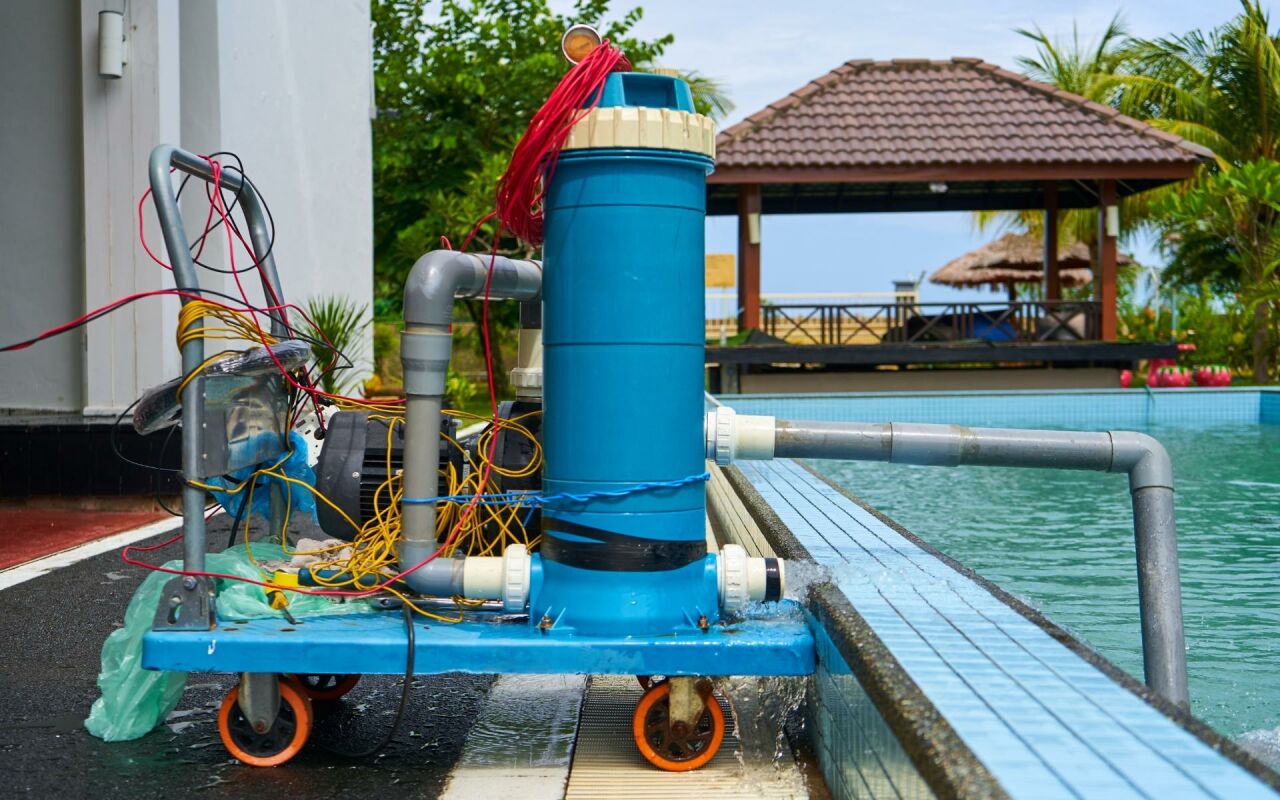
What is the power consumption of a swimming pool pump?
Maintaining a clean and healthy pool is extremely important for pool owners. Pool pumps play a crucial role in cleaning and circulating water in a pool. However, the energy consumption of pool pumps can increase energy costs and have a negative impact on the environment. In this article, I will share important information about the power consumption of pool pumps and give you some tips on how to increase your energy efficiency.
Pool pump power consumption:
The power consumption of pool pumps refers to the pump's power output in watts. Generally, pool pumps have a power output between 0.5 and 3 HP. However, it's important to remember that higher capacity pumps consume more energy. The energy efficiency of pool pumps varies depending on their capacity and performance. Higher efficiency means lower energy consumption.
Choosing an energy-efficient pool pump:
When buying a swimming pool, it's important to consider energy efficiency. An energy-efficient pool pump consumes less energy while still delivering performance. Here are some factors to consider to determine the energy efficiency of your pump.
- · Pump label: The energy efficiency label is usually found on the pump. ENERGY STAR® certified products provide better energy savings.
- · Pump Efficiency: Pump efficiency measures how efficiently a pool pump operates. A highly efficient pump consumes less energy. Tips for saving energy:
- To save energy, you can consider the following tips:
- · Set the pump's operating hours: Instead of running the pump all the time, use a timer that allows it to run only when there is little use or when it is needed.
- · Adjust the pump speed: By using a variable speed (VSP) pump, you can save energy and operate at a lower speed. This allows the pump to use less power than is necessary for circulation.
· Keep your pool filtration system clean: A clean filter helps the pump work more efficiently. By cleaning the filter regularly, you can ensure the pump consumes less energy. Perform pump and piping maintenance: Regular maintenance is essential for the proper functioning of the pump and piping. For example, you can improve energy efficiency by doing simple things like repairing air leaks and checking seals.
Pool Pump Operating Time: Tips for Determining the Correct Operating Time
A pool pump is a critical component in cleaning and circulating pool water. However, the question of how long a pool pump should be run is a concern for many pool owners. Determining the ideal operating hours is important to keep the pool clean and efficient.
Consider the pool's features:
Pool characteristics are factors that affect how long a pool pump needs to run. It's important to consider factors such as pool size, water volume, filter type, and pool usage intensity. Generally, a larger pool may require a longer run.
Calculate the amount of water in the pool:
Calculating the amount of water in the pool is a crucial step in determining the operating time of the pool pump. You can use the following formula to calculate the amount of water in the pool:
Pool Length (feet) x Pool Width (feet) x Average Depth (feet) x 7.5 = Pool Water Volume (gallons)
This calculation gives the pool's water volume in gallons.
Set the pool cycle time:
Determining the operating hours of the pool pump is important for perfect pool water circulation. Generally, it is recommended to recirculate the pool water at least 1-2 times. You can use the following formula to do this:
Pool water volume (gallons) / total pump flow (gallons/hour) = cycle time (hours)
The total flow rate of the pumps can be found in the pool pump specifications or in the values stated by the manufacturer. This calculation provides the time required for the pool water to circulate completely.
Consider the density of a pool:
The intensity of pool usage is another factor affecting the pool pump's operating time. Longer circulation times may be required, especially if the pool is heavily used. You can extend the pool pump's operating hours during peak hours or depending on heavy usage.
Control the pump with a timer:
I recommend using a timer to set the operating time of the pool pump. This way you can set it to automatically turn on and off at the times you specify. This saves energy and eliminates the need for constant monitoring of the pump.
Is the pool motor running 24 hours a day?
Villa pools:
Pools in villas are generally smaller and may be used less frequently. The recommended usage times for such pools may be as follows:
Summer months: Villa pools should be run 10-12 hours a day during the summer months. This ensures constant water circulation, improving cleanliness and chemical distribution.
Spring months: Villa pools can be used for 3-6 hours a day in spring, depending on the amount of sunlight. The circulation time can be shortened when the weather is colder. Winter months: In winter, the operating hours of villa pools are generally reduced to one hour a day. Less circulation may be required due to lower temperatures and reduced usage.
Shared pools:
Traditional pools are generally larger and used more frequently. The recommended usage periods for these types of pools may be as follows:
Summer months: Public pools should be open 24 hours a day during the summer months. Due to high usage and pollution levels, constant circulation is necessary. If they have multiple pumps, they can slow down the flow at night to extend daytime usage.
Spring months: During the spring months, the operating hours of communal pools may be shorter compared to the summer months. Depending on the amount of sunlight and usage, they may operate for 6-10 hours a day.
Winter months: Operating hours at communal pools may be reduced during the winter months. Due to lower temperatures and reduced usage, a daily driving time of 3-6 hours may be sufficient.
How much does a pool pump cost?
Pool pump prices generally range from 1000 TL to 50000 TL. Simpler and smaller pump models are usually more economical, but larger and more complex systems can be more expensive. Factors such as energy efficiency, power consumption, and additional features can also affect the price.
Click here to learn about different types and prices of swimming pool pumps.