
Basic Pool Chemicals Used in Pool Water Maintenance
10-08-2023
16:10
Basic Pool Chemicals Used in Pool Water Maintenance
The joy of owning a pool comes from having clean, clear, and healthy water. Maintaining pool water quality and keeping it in optimal condition requires certain essential pool chemicals. In this article, you will learn how to maintain your pool water and which chemicals to use.
1. Chlorine
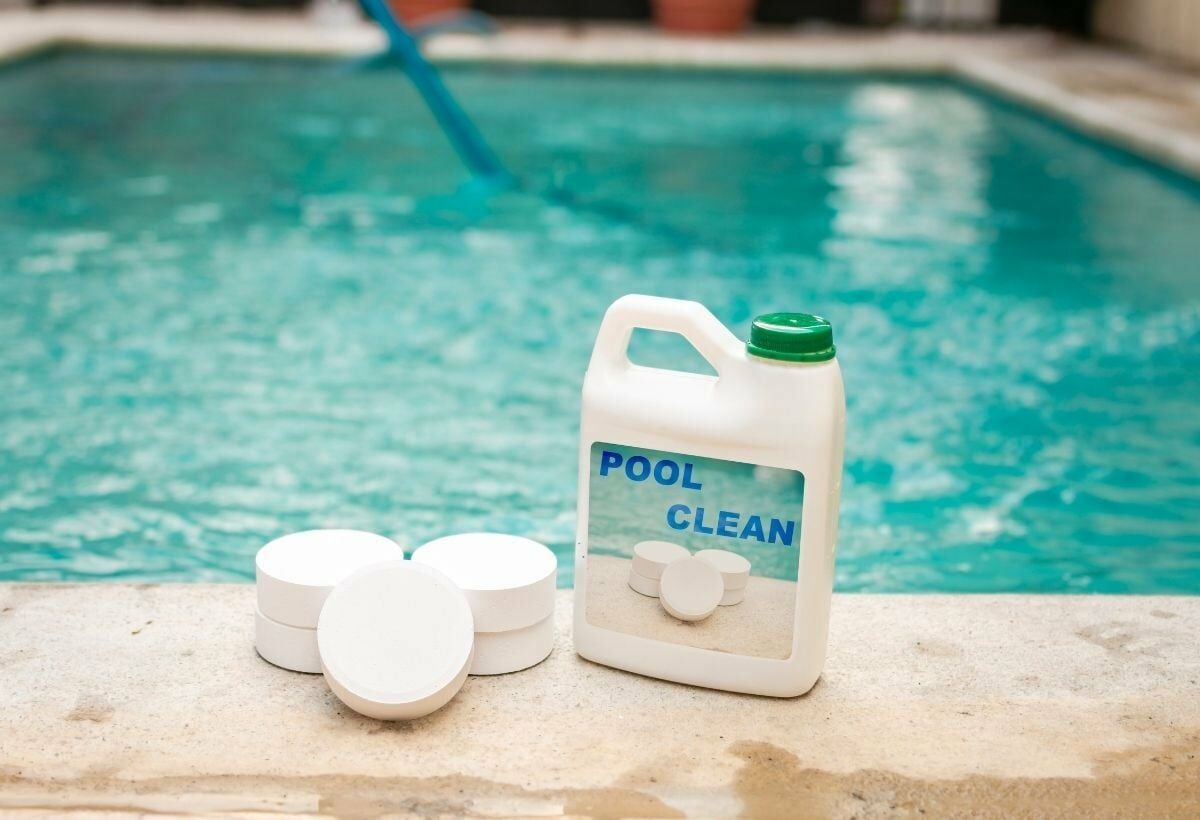
Chlorine plays a fundamental role in disinfecting pool water. It keeps the water clean and healthy by preventing the growth of bacteria, viruses, and algae. Chlorine comes in different forms, such as tablets, liquid chlorine, or granular chlorine, and is added to the water.
2. pH Regulators
The pH level of pool water indicates the acidity or alkalinity level of the water. Since the pH level directly affects the effectiveness of chlorine, it should be checked regularly. pH balance is achieved using pH enhancers (alkaline enhancers) and pH reducers (acid enhancers).
3. Algal Inhibitors
Algae formation occurs as a result of the growth of algae found in pool water. Algae control chemicals help prevent the growth of algae and other microorganisms. These chemicals keep the water clear and clean.
4. Sulfate and Calcium Hardness Regulators
Water hardness indicates the amount of minerals mixed into the water. Excessively hard water can lead to limescale buildup. Sulfate and calcium hardness regulators are used to balance the water's hardness level.
5. Shocking Chemicals
Shock treatment is used to quickly disinfect pool water and raise chlorine levels. This is especially necessary in cases of heavy use, excessive rainfall, or cloudy water.
6. Precipitants and Flocculants
Flocculants cause small particles in the water to clump together to form larger particles. These particles are then easily removed by the filter, improving water clarity.
Maintaining your pool's chemical balance and keeping the water clean is important by regularly using these essential pool chemicals. However, it's crucial to use the chemicals in the correct amounts and according to the instructions. It's also important to wear gloves and protective equipment when working with chemicals.
7. Ozone and Ultraviolet (UV) Disinfection
Ozone and UV systems are alternative disinfection methods to traditional chemicals. Ozone effectively kills microorganisms in pool water, while UV rays inactivate bacteria and viruses. These methods can reduce chlorine use and provide a more natural cleaning of the water.
8. Cleaning and Safety Supplies
Along with pool water chemicals, cleaning supplies should also be used to keep the pool clean and tidy. Filters, brushes, vacuums, and surface cleaners are important for keeping the inside and around the pool clean.
9. Water Test Kit
A water test kit is used to regularly check the chemical balance and quality of pool water. By measuring factors such as pH level, chlorine level, alkalinity, and hardness, you can monitor the condition of the water and take corrective measures as needed.
10. Professional Help
Pool maintenance can be complex, and the correct use of chemicals is crucial. If you lack experience with pool maintenance or want to feel more secure, you can seek help from professional pool maintenance companies.
Pool chemicals play a vital role in keeping the water clean, clear, and healthy. However, care must be taken when using chemicals, and instructions must be followed. The correct chemical balance and regular maintenance will ensure your pool lasts longer and is enjoyable to use.