
Blog Categories
Best Products and Supplies for Pool Maintenance and Cleaning
If you have a pool in your garden or backyard, regular maintenance and cleaning are essential to keep it clean, clear, and healthy. Using the right materials and products is crucial to making this task easier and more effective. In this article, we'll explore the best products and materials you'll need for pool maintenance and cleaning.
What are pool water chemicals?
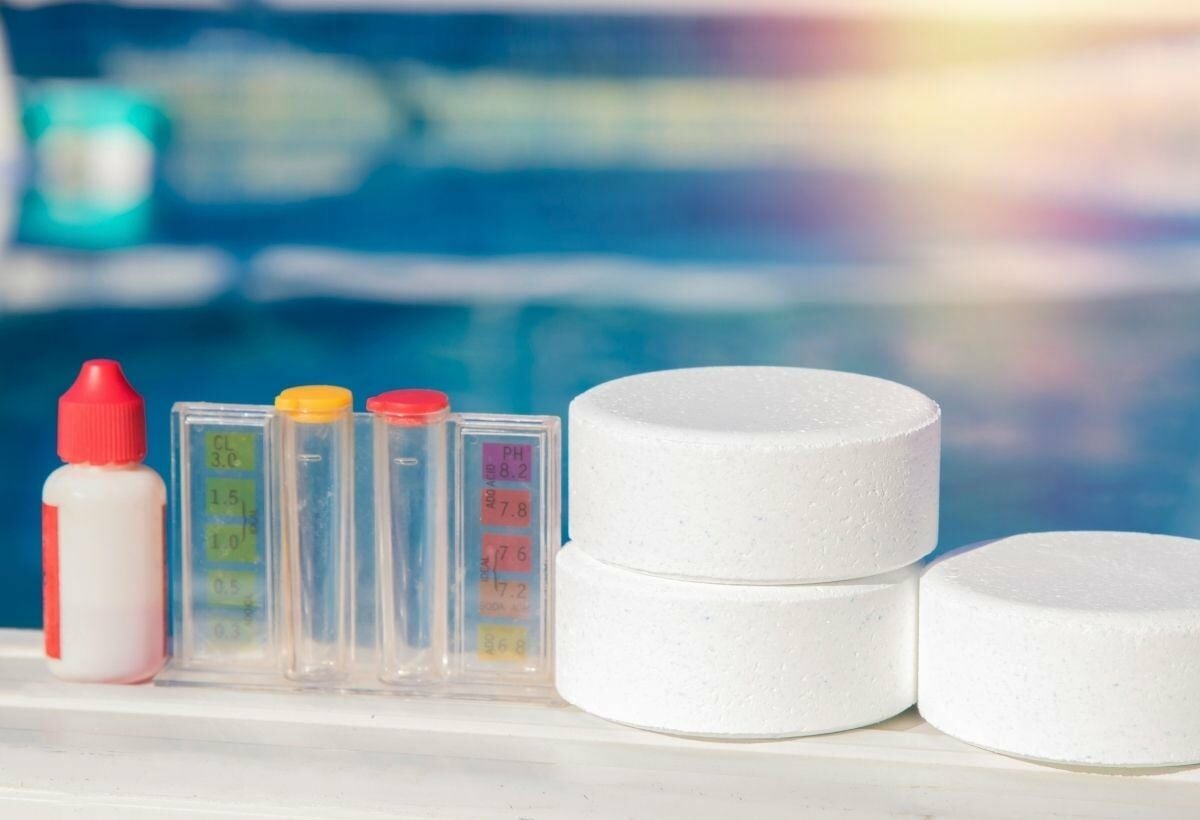
Pool water chemicals are used to keep pool water clean, clear, and healthy. The most commonly used pool water chemicals include:
Essential Equipment for Pool Maintenance: Pool Pump, Filter, and Cleaning Supplies.
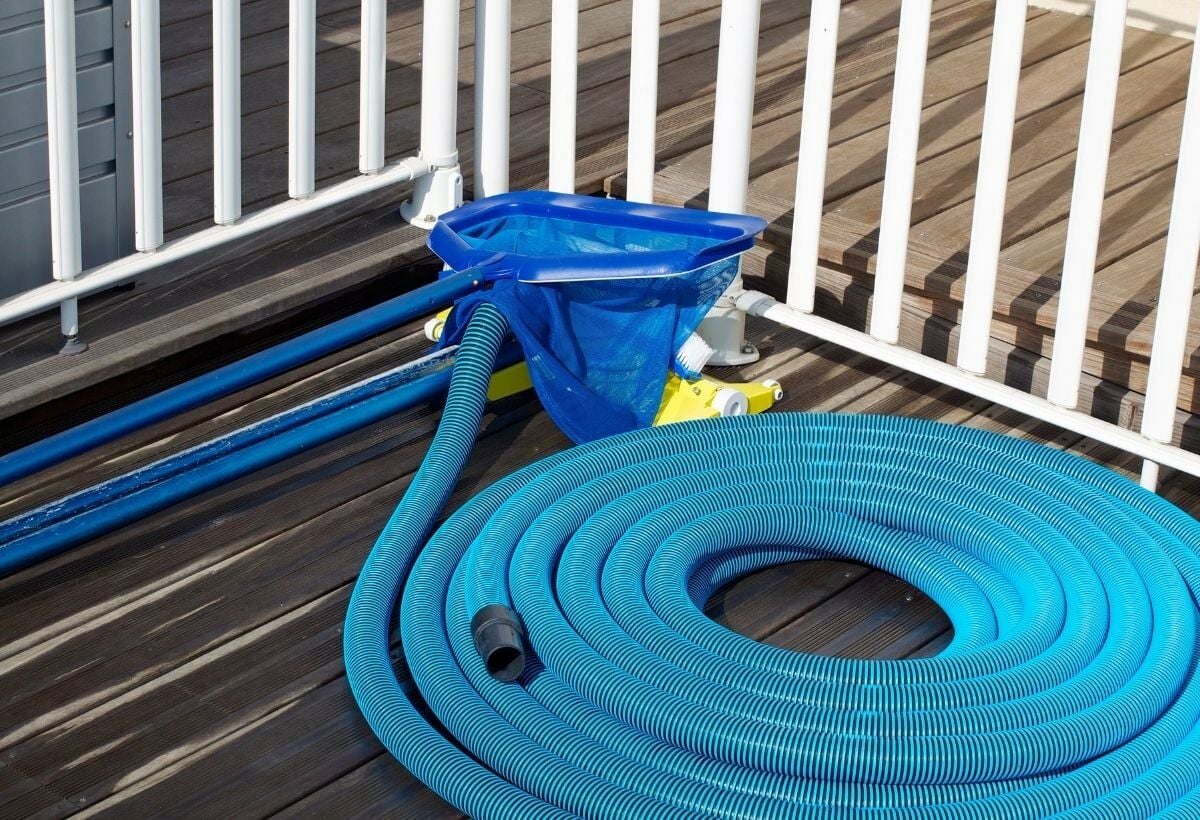
As a pool owner, you know that while you enjoy having crystal-clear water, you also need to maintain your pool properly. Choosing and using the right equipment is crucial to preserving your pool's water quality and ensuring its longevity. Here are the cornerstones of pool maintenance: pool pump, filter, and cleaning supplies.
Basic Pool Chemicals Used in Pool Water Maintenance
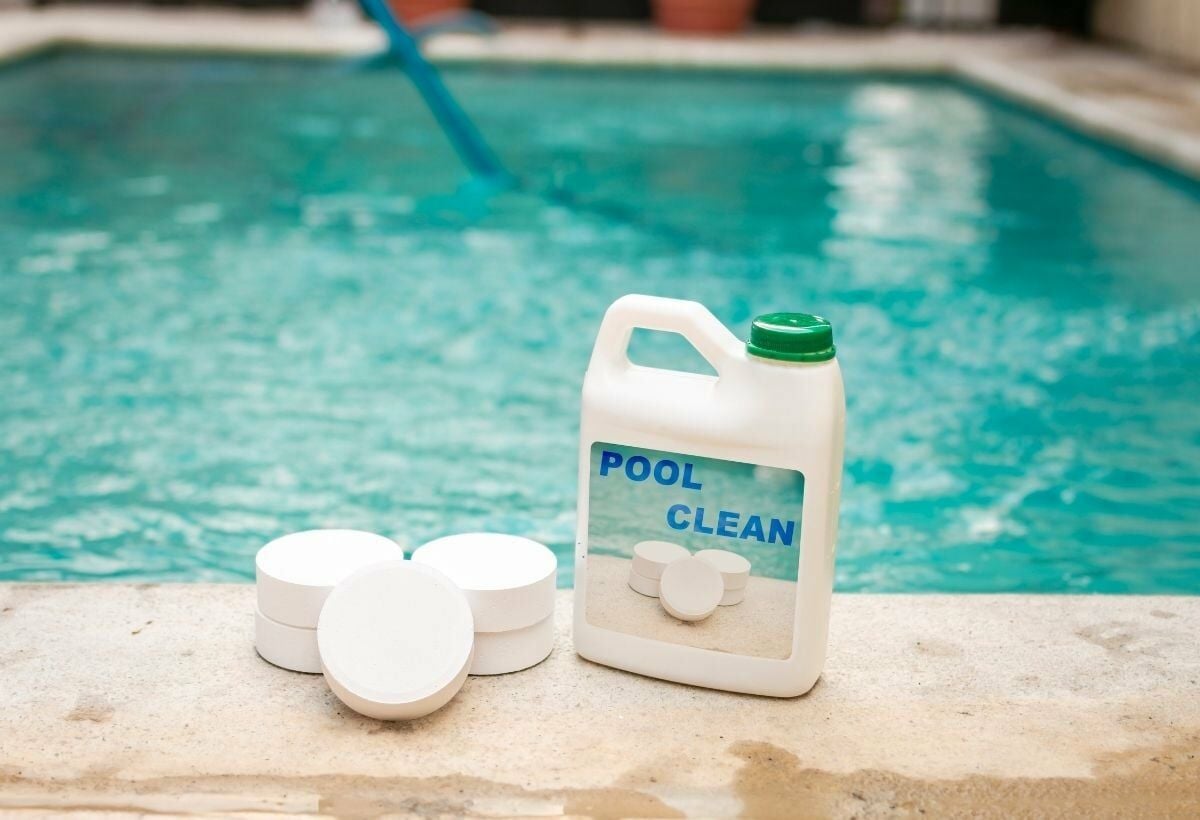
The joy of owning a pool comes from having clean, clear, and healthy water. Maintaining pool water quality and keeping it in optimal condition requires certain essential pool chemicals. In this article, you will learn how to maintain your pool water and which chemicals to use.
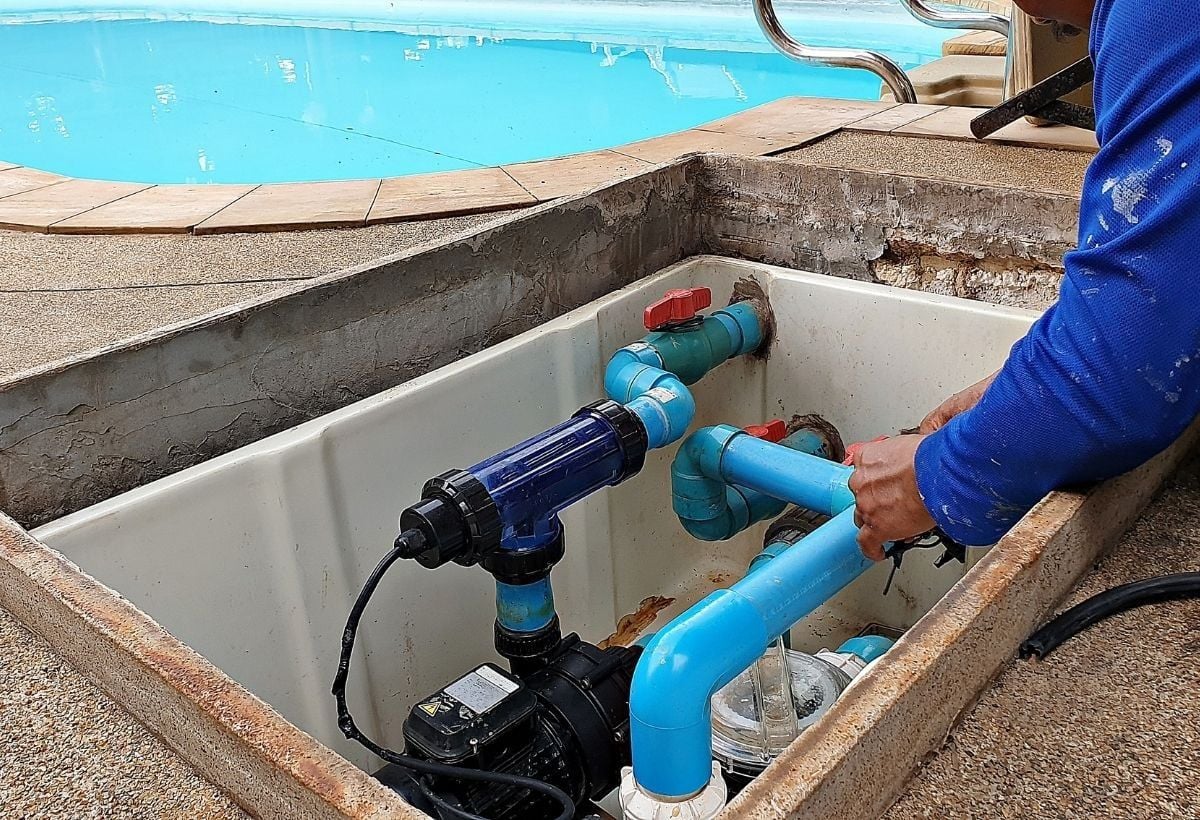
Pool Maintenance: Expert Advice and Essential Information
Owning a pool offers a great opportunity to cool off on hot summer days. However, regular maintenance is essential to keep your pool healthy and clean.
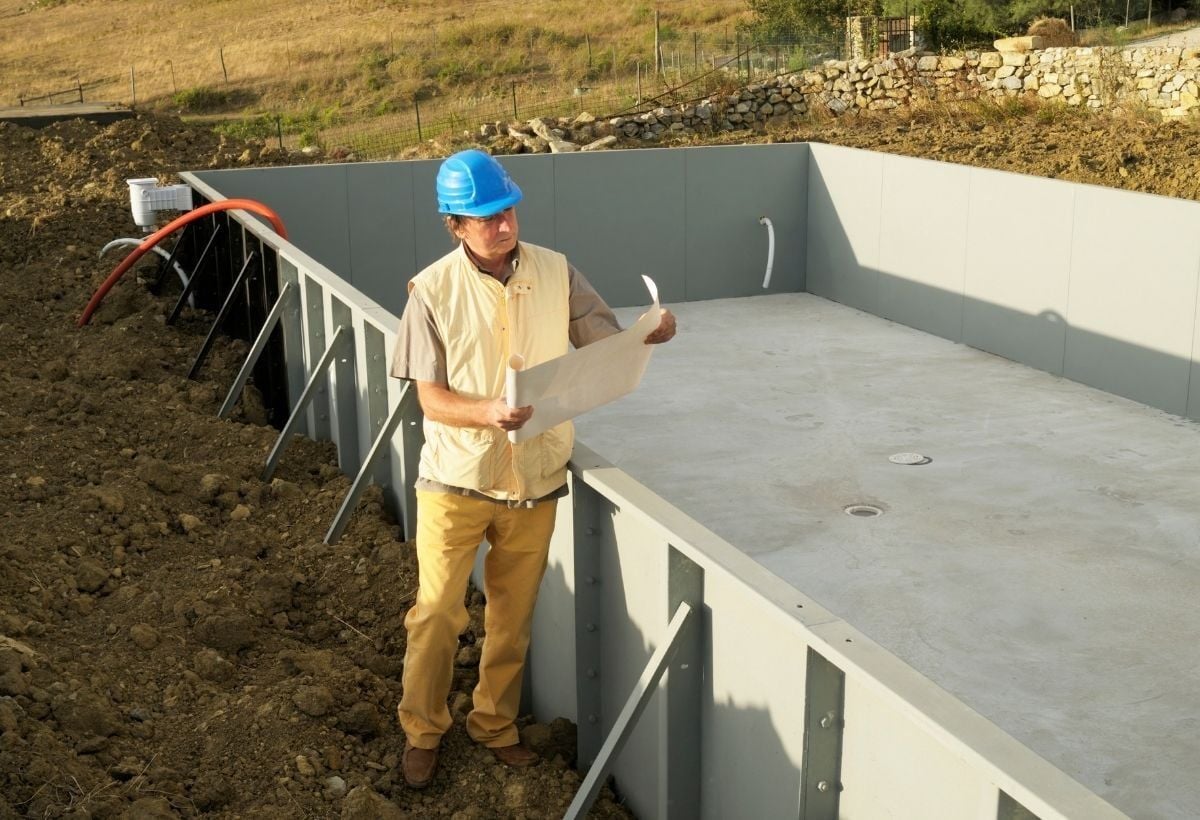
Materials Used in Swimming Pool Construction and Their Importance
Swimming pools are a great option for cooling off and enjoying yourself during the summer months. However, using the right equipment is important to enjoy a healthy and clean pool.

What are pool chemicals?
Pool chemicals are chemicals used to clean, disinfect, and maintain the health of pool water. They kill bacteria, viruses, algae, and moss in the pool water and regulate its pH level. Pool chemicals keep the pool water clear and clean, protecting the health of pool users.
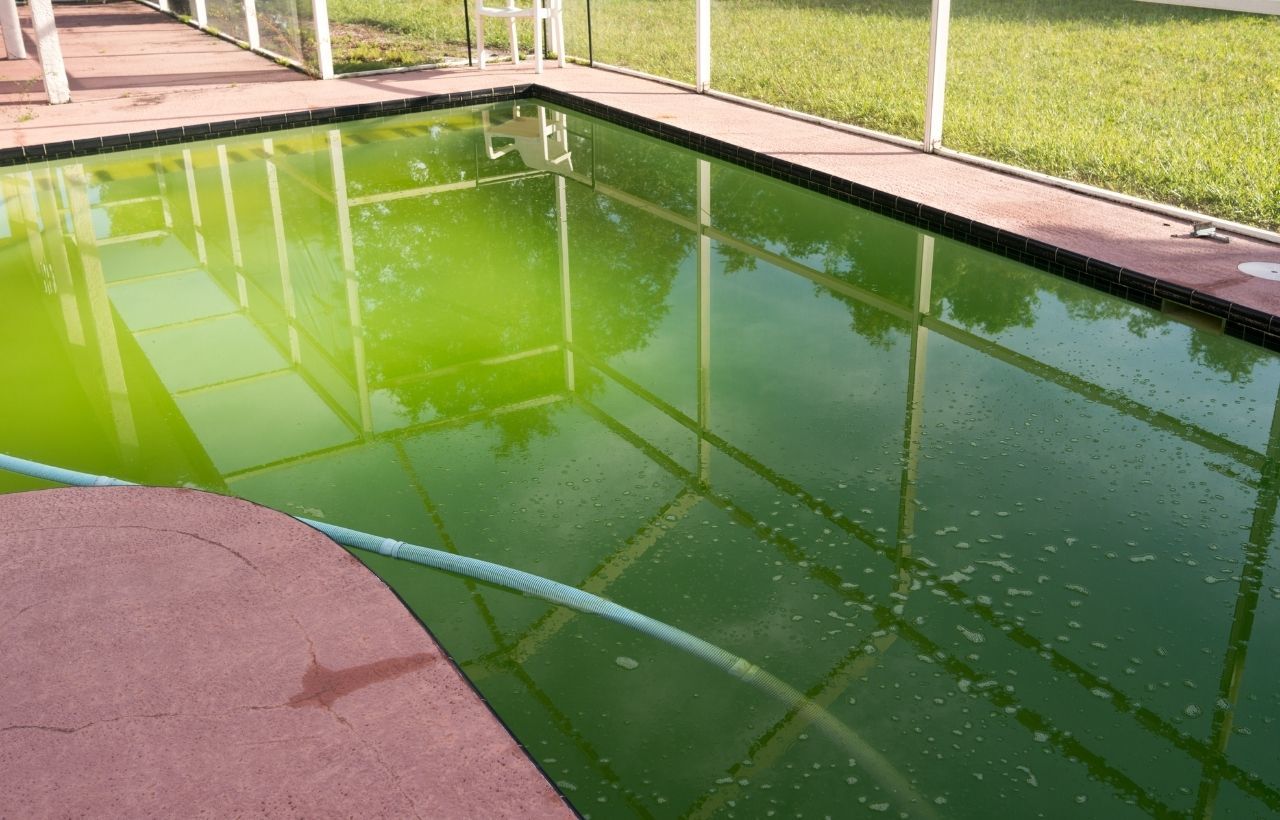
What can be done to prevent algae from growing in the pool?
A swimming pool is a great place to cool off and have fun during the summer months. However, owning a pool comes with certain responsibilities. To keep your pool healthy and clean, you need to do a few things. One of these is preventing algae growth.

What is needed for a swimming pool?
A swimming pool is a great place to cool off and have fun during the summer months. However, owning a pool comes with certain responsibilities. To keep your pool healthy and clean, you will need some basic supplies.
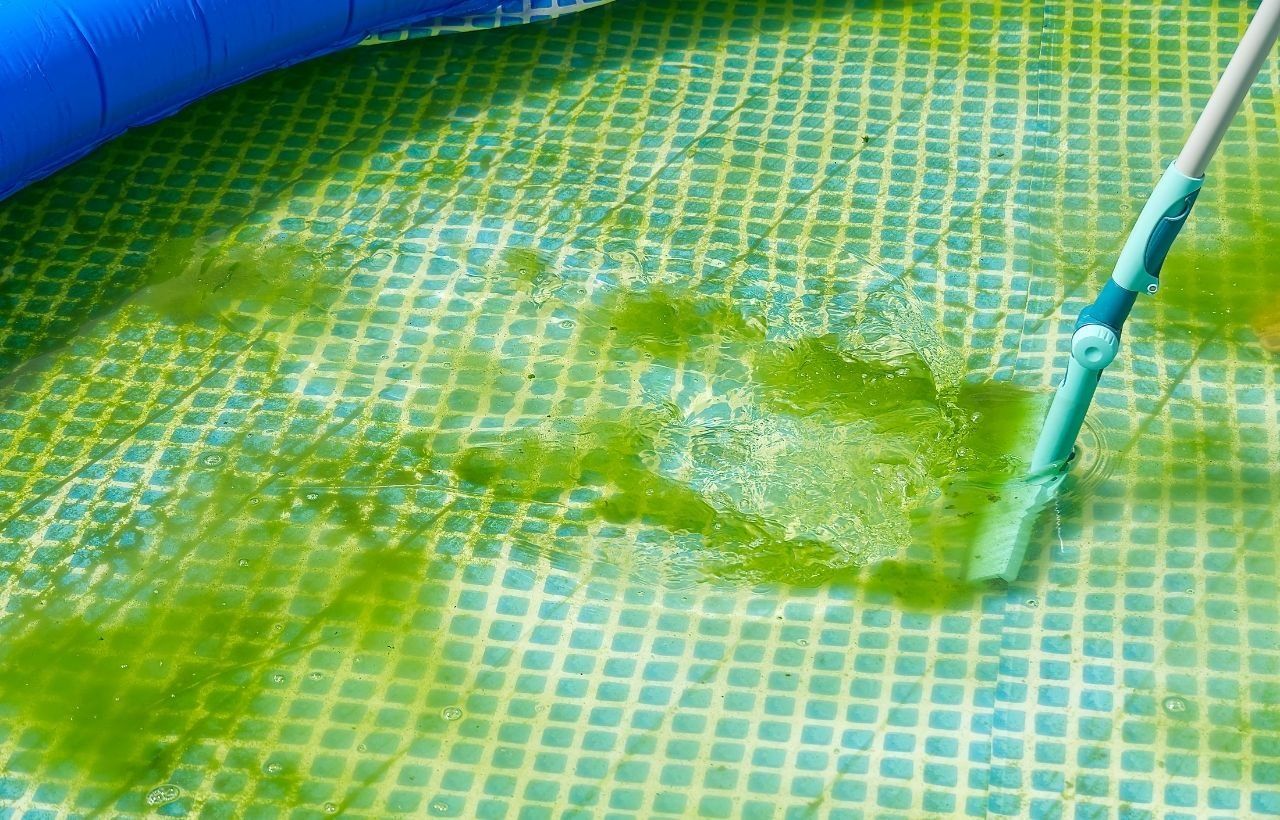
How to Prevent Pool Algae?
Pool algae is a type of algae that lives in pool water and spoils the appearance of the pool. Pool algae grow by using the minerals and organic matter found in the pool water. Pool algae cloud the pool water, adhere to the walls and bottom of the pool making it difficult to clean, and reduce the quality of the pool water.
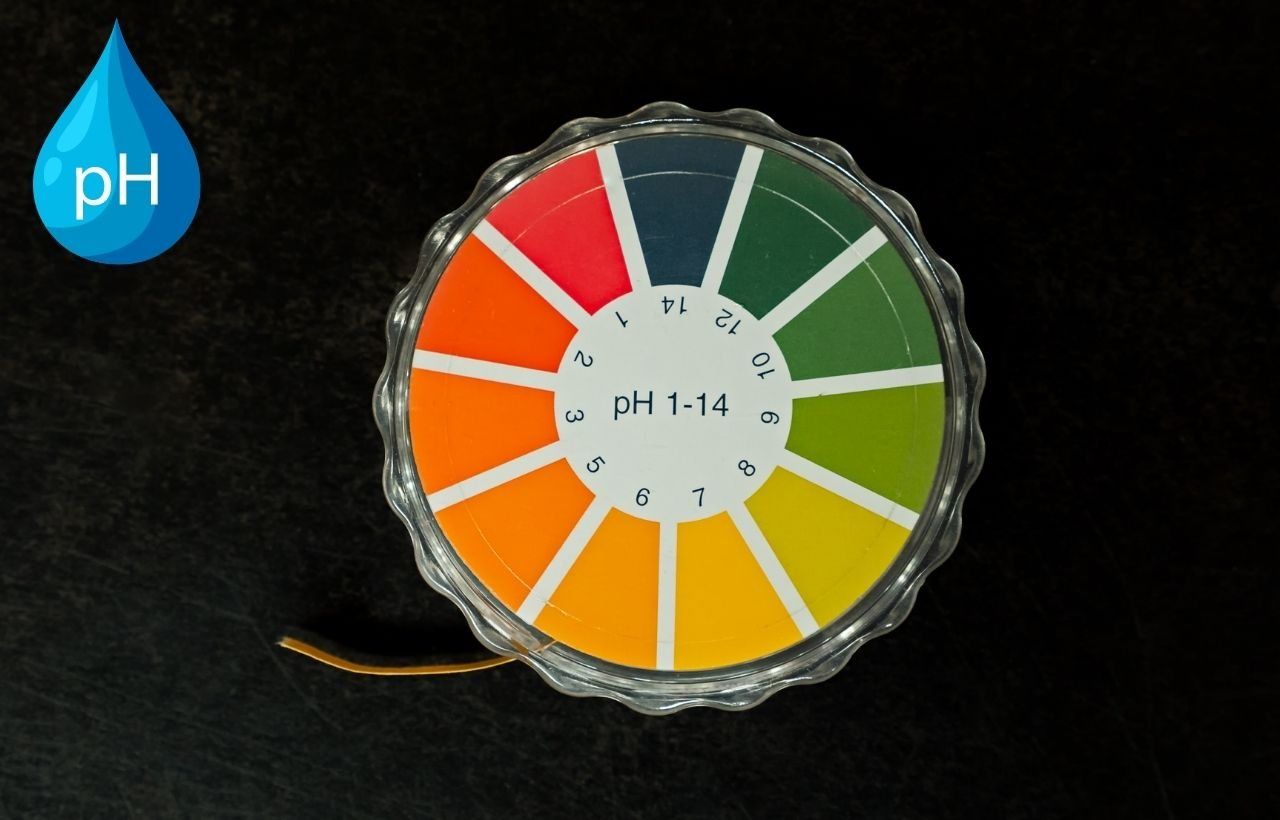
What is a pool pH enhancer?
Pool pH enhancer is a chemical used to raise the pH value of pool water. The pH value indicates the acidity or alkalinity of the pool water. A pH value of 7.0 is neutral. If the pH value is less than 7.0, the pool water is acidic, and if the pH value is greater than 7.0, the pool water is alkaline.
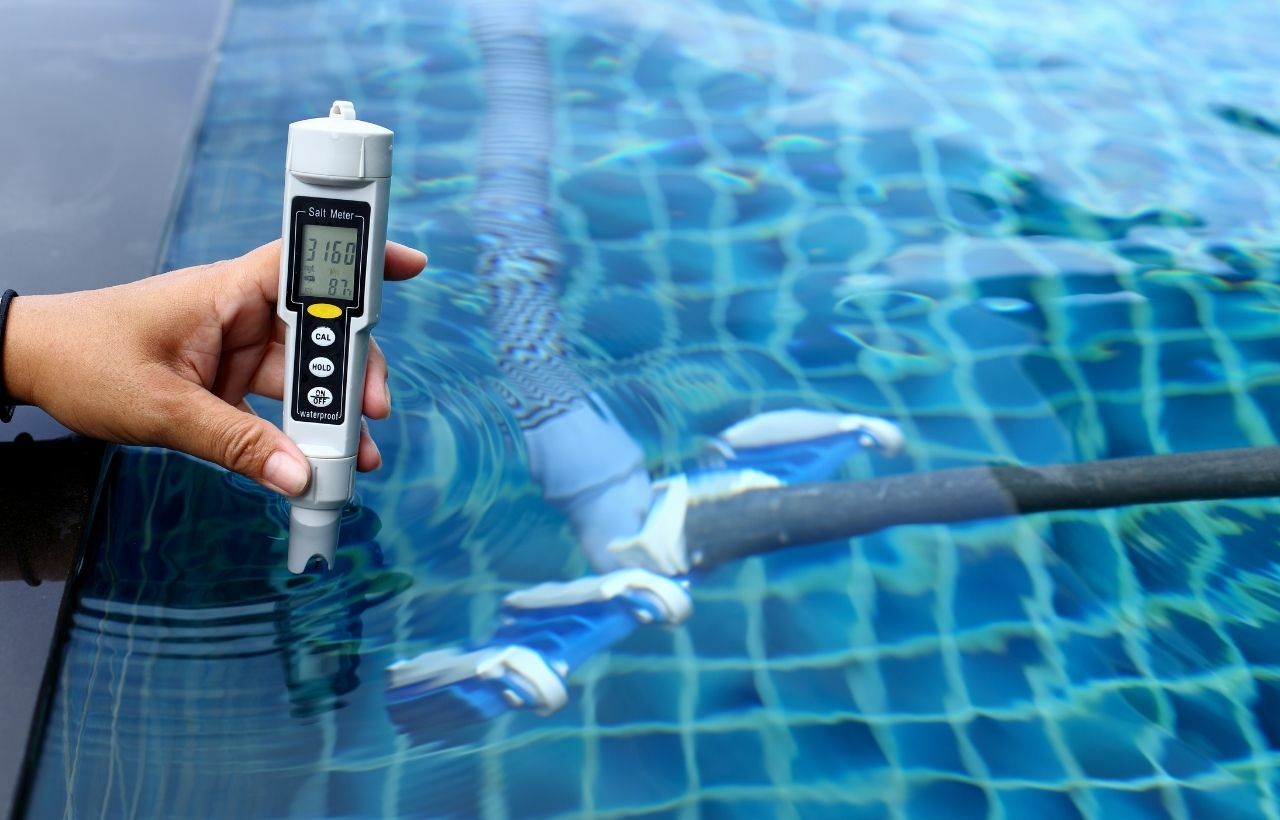
Pool Powder Chlorine
Pool chlorine powder is an essential chemical for keeping your pool clean and healthy. This granular form of chlorine effectively disinfects water and kills microorganisms, ensuring a healthy pool environment.
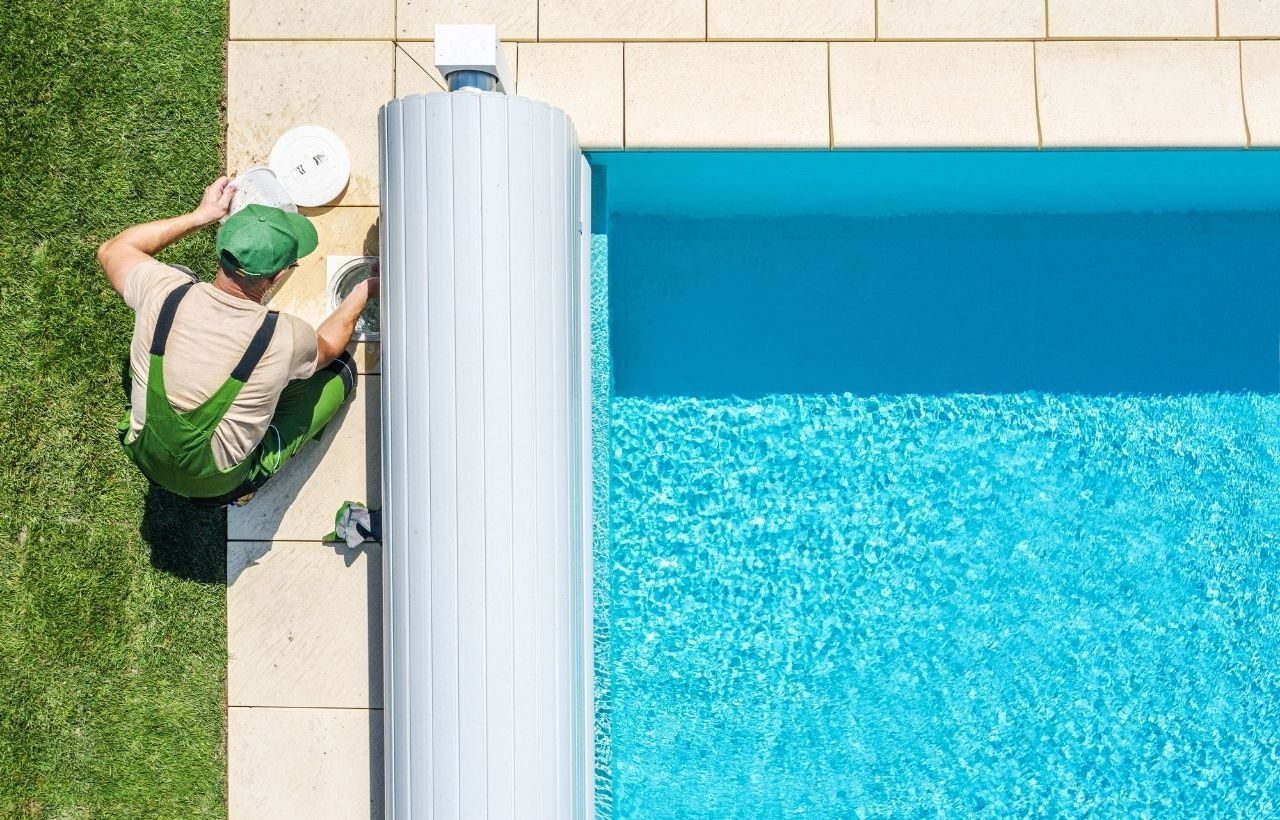
Pool Chemicals and Determining the Correct Chlorine Amount
How Much Chlorine Should Be Added to a Pool? Chlorine Amount (gr) = (Pool Water Volume (L) x Target Chlorine Level (ppm)) / Chlorine Concentration (%) There are many options for purchasing pool chemicals. You can find pool chemicals, pool equipment, pool supplies, and specialized pool chemicals on our website.
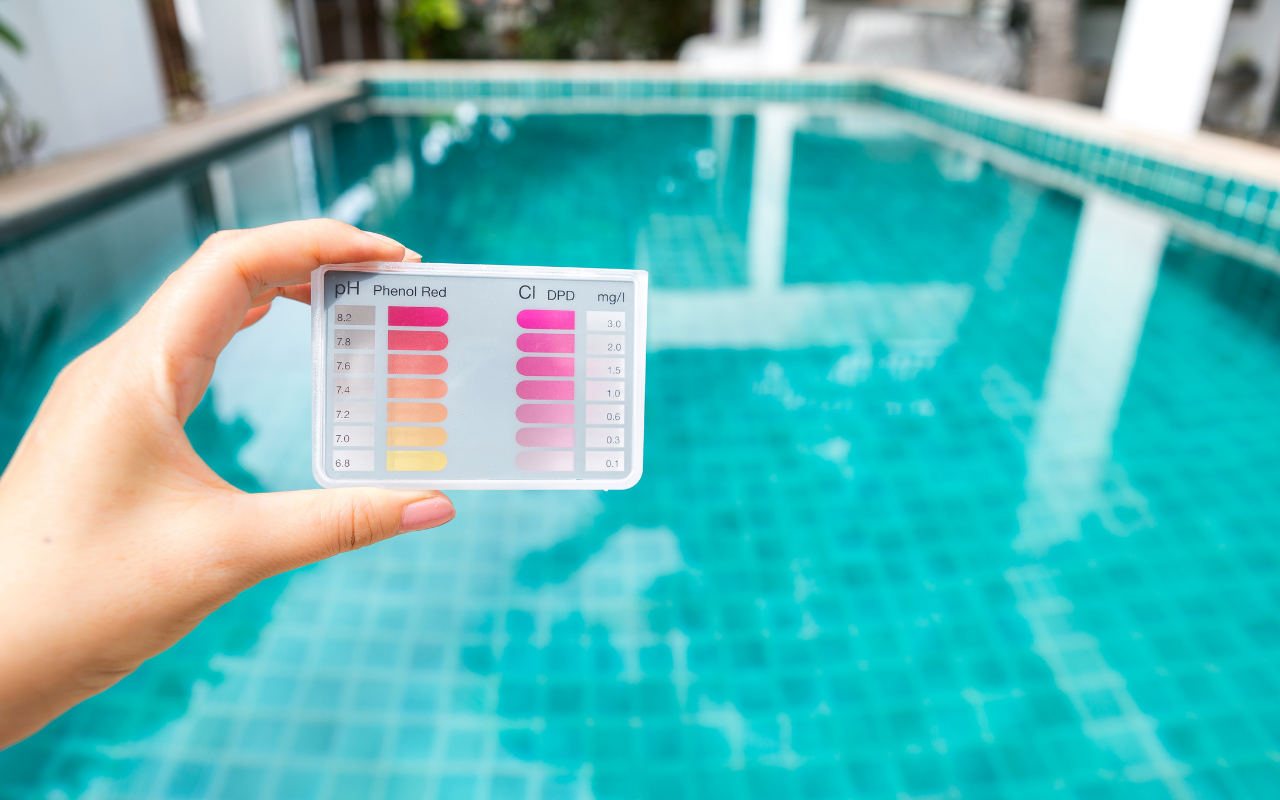
How can pool water appear clear?
How can pool water appear clear?
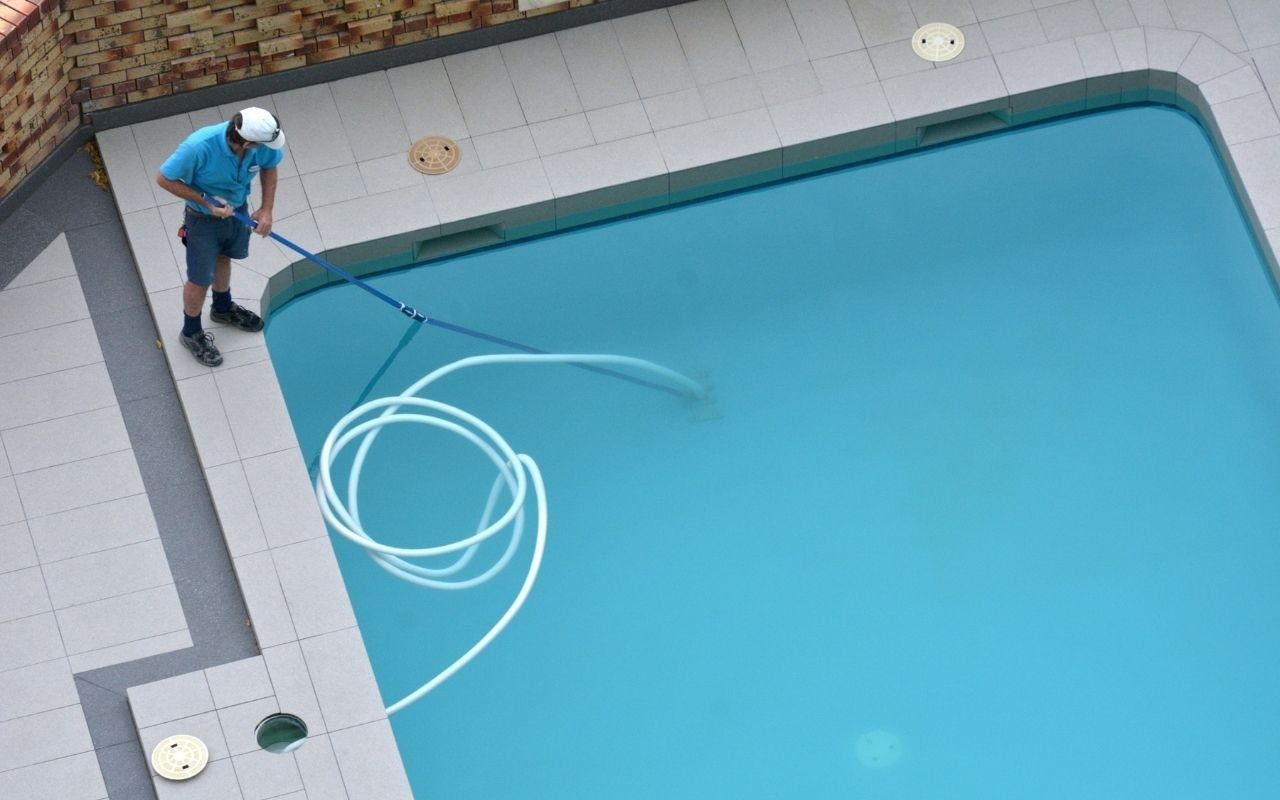
What are pool supplies?
Swimming pool materials consist of various elements, including the equipment and chemicals necessary for pool construction. Pool construction materials include: Pool frames and support systems; Waterproofing materials; Coating materials (ceramics, natural stone, etc.); Pool ladders and equipment; Pool filtration system: Filter tank and filter materials (sand, zeolite, etc.); Pool pump and motor; Filter valves and manifolds; Drainage and drainage systems; Pool water chemicals: Disinfectants (chlorine, bromine, etc.); pH regulators; Alkalinity regulators; Algae inhibitors and algae control products; Pool cleaning equipment: Pool cleaning machine or automatic cleaning robot; Pool buckets or nets; Strainers and cleaning brushes; Telescopic pool poles; Pool vacuum systems; Safety equipment: Pool fences or gates; Pool alarm systems; Life jackets or life rings; Pool ladders; Pool heating and lighting systems: Heating systems (heat pumps, gas or electric heaters); Pool lights (LED, etc.). These materials are essential for the construction, operation, and maintenance of swimming pools. While pool construction materials form the structure of the pool, the filtration system cleans the water, and chemicals maintain the balance of the pool water. Pool cleaning equipment and safety devices ensure the cleanliness and safety of the pool. Heating and lighting systems enhance the comfort of the pool.

How is a swimming pool pump calculated?
This text covers pool pump calculation methods, pool water pump selection, pool circulation system operating principles, automatic pool dosing pumps, and pool cleaning. The Pool Pump Calculation Methods section explains how to calculate the volume of a pool by measuring its length, width, and depth to determine the total amount of water in the pool. It also discusses determining the pump's flow rate and selecting the appropriate pool pump. The Pool Water Pump Selection section explains that factors such as pool size and capacity, rotational speed, filtration system, energy efficiency, noise level, brand, and quality should be considered. The importance of research and user reviews when choosing the right pump is emphasized. The Swimming Pool Circulation System Operating Principle section explains how a swimming pool circulation system works step-by-step. The cooperation of components such as the pool pump, skimmer and filter, pool heating or disinfection system, and return nozzles ensures continuous water filtration and purification. When the pool's automatic dosing pump is finished, it is determined whether the automatic dosing pump is producing the correct amount of chemicals continuously added to the pool. The importance of regularly checking and adjusting pH balance, disinfectant levels, and other chemicals is emphasized. The automatic dosing pump has been shown to provide accurate and continuous dosing and ease of use. Finally, the text discusses pool cleaning, highlighting factors related to the frequency and duration of cleaning. It has been determined that factors such as frequency of use, pool size, location, and filtration system affect the cleaning time. A weekly cleaning cycle is recommended, and the importance of cleaning procedures such as surface cleaning, filter cleaning, and water chemical management is emphasized. The text summarizes basic information about pool pumps, circulators, automatic dosing pumps, and pool cleaning.
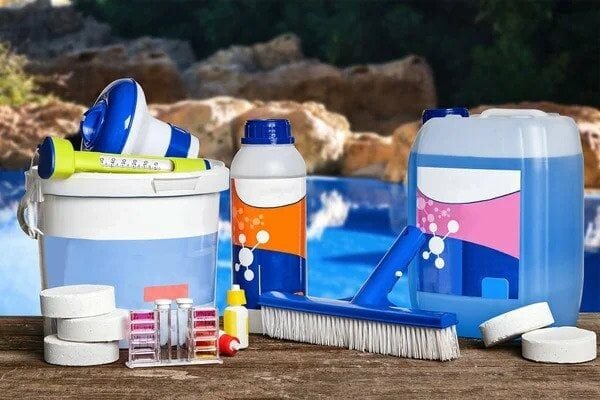
Chemical Use in Swimming Pools
Swimming Pool Chemicals and Their Uses: Pool chemicals are crucial for keeping pools clean, healthy, and hygienic. These chemical products are used to balance, disinfect, and maintain pool water. Here is a summary of the uses and benefits of pool chemicals: Chlorine: Chlorine products are the most commonly used chemical for disinfection purposes in swimming pools. Chlorine kills germs, bacteria, and algae in the pool, keeping the water clean and healthy. pH Regulators: The pH value of the pool determines the acidity or alkalinity of the water. pH regulators keep the pH level of the water within the ideal range and ensure water balance. They prevent eye and skin irritation and increase the effectiveness of disinfection. Alkalinity Enhancers: Alkalinity is important in maintaining the pH balance of the water. Alkalinity agents regulate the alkalinity of the water and help keep the pH stable. Hardness Tests: Hardness determines the amount of dissolved calcium and magnesium in the water. Hardness regulators regulate the water hardness level, preventing the formation of limescale that damages the water and extending the life of the equipment. Algae inhibitors: Algae inhibitors are used to prevent the growth of algae in pool water. Algae inhibitors keep the water clean and prevent algae formation. Clarifier: The clarifier removes turbidity and particles from the water, giving it a clearer appearance. This chemical binds fine particles together, making them easier to remove through filtration.
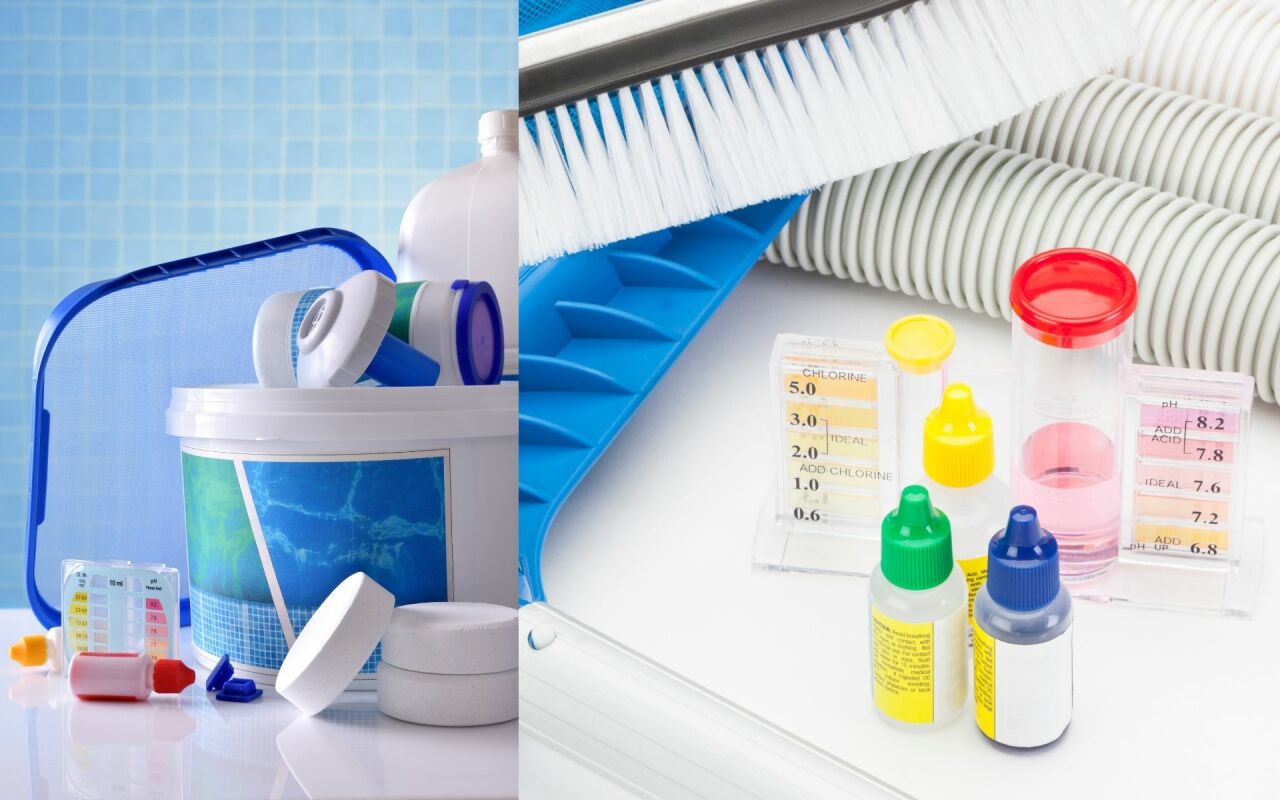
What are pool supplies?
Pool chemicals are chemical compounds used to maintain the quality of pool water, control microorganisms, and balance pH. The most commonly used chemical is chlorine, which cleans pool water by killing microorganisms. pH regulators increase the effectiveness of chlorine by keeping the pool's pH level within the ideal range. Algae killers keep algae under control. Calcium hardness regulators maintain calcium levels within the appropriate range. Shock absorbers clean the pool and freshen the water. Stabilizers increase the effectiveness of chlorine when exposed to sunlight. With regular use and correct dosage, pool chemicals are an important part of keeping pool water healthy, clean, and balanced.
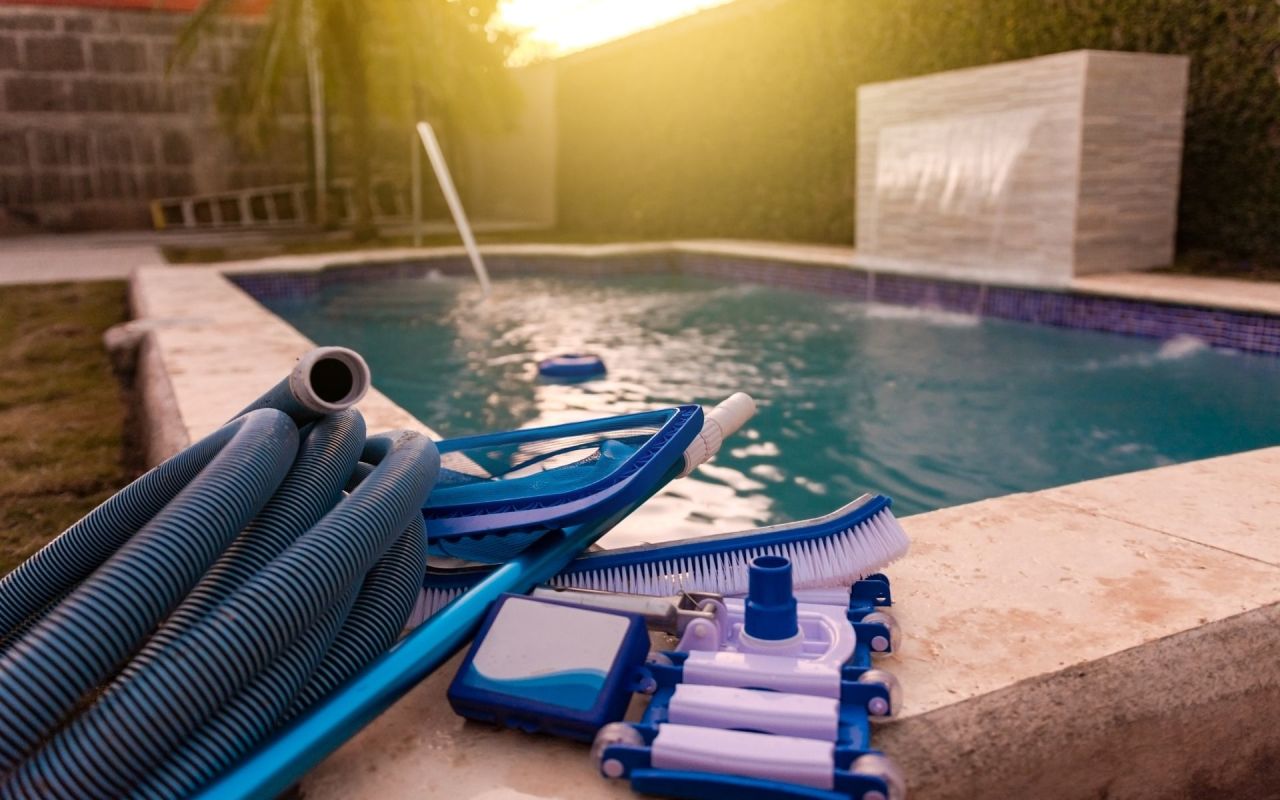
Pool Chemicals: Importance, Types, and Proper Use
This blog post provides information about the importance, types, and correct use of pool chemicals. It emphasizes the need for regular use of pool chemicals to keep pools clean, hygienic, and healthy. Pool chemicals play a vital role in cleanliness, hygiene, and water balance. Various chemicals such as chlorine, pH regulators, algaecides, flocculants, ozone, and UV systems are used in pools. Correct chemical use ensures the pH level of the pool water is balanced, microorganisms are kept under control, and the water remains clean and clear. The correct dosage of pool chemicals, regular pH and chlorine measurements, pool size, and usage intensity should be considered. Regular pool maintenance and keeping the water clean are also important. Correct information and practices regarding pool chemicals ensure a healthy and enjoyable swimming experience.