
Chemical Use in Swimming Pools
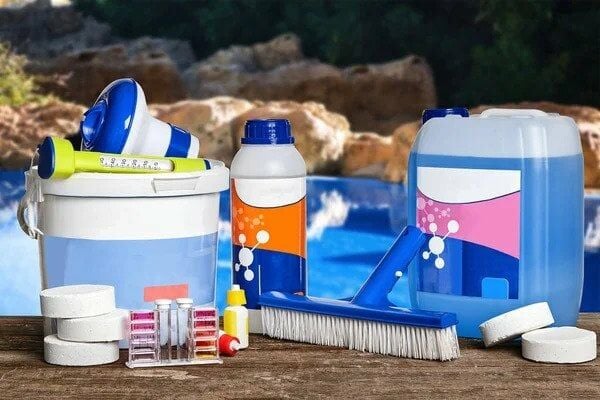
Pool Chemicals
Various chemicals are necessary to keep a swimming pool clean and healthy. Here are some essential chemicals you should use for regular pool maintenance:
Chlorine: Chlorine is used to disinfect pool water. Chlorine inhibits the growth of bacteria, viruses, and other microorganisms. By adding chlorine to your pool, you can keep the water clean and healthy.
pH regulator: The pH level of the pool determines whether the water is acidic or alkaline. The correct pH level increases the effectiveness of chlorine and makes the water easier to handle. A pH regulator helps maintain the pH level within the desired range.
Alkaline regulator: An alkaline regulator helps regulate the alkalinity of the pool. The alkalinity level helps maintain pH balance and ensures the pH remains within the desired range.
Shock agent: If the pool water loses chlorine over time or microorganisms accumulate, a shock agent is added. The shock agent rapidly increases the chlorine level in the pool, killing the microorganisms.
Algae inhibitor: Algae inhibitors are used to prevent algae growth. Algae inhibitors keep the pool clean and clear.
Algae killer: Algae killer is used when algae forms in the pool. An algae killer helps clean the pool by killing the algae. These chemicals are necessary to keep the pool clean and hygienic. In addition, other chemicals may be needed depending on factors such as pool size, water temperature, and frequency of use. The correct use and dosage of chemicals are important when maintaining a swimming pool. It is important to use chemicals that meet the specific needs of your pool and local guidelines. It is recommended to contact a professional specializing in swimming pool maintenance.
Swimming pools: Daily maintenance of swimming pools involves the use of chemicals such as chlorine, pH regulators, alkalinity regulators, shock agents, and algaecides. These chemicals keep a pool clean and healthy and prevent the growth of bacteria and microorganisms.
Hot springs and jacuzzis: Pool chemicals are also used to keep hot springs and jacuzzi pools clean and hygienic. Water quality in these areas is maintained with chemicals such as chlorine, pH regulators, and shock absorbers.
Water parks and pool facilities: Large water parks and pool facilities are heavily used areas. In such areas, pool chemicals are important for water disinfection, pH balance, and hygiene.
Hotels and Resorts: Resorts, hotels, and holiday homes often have large swimming pools. Allaskemikailit ensures that its customers can use these pools in a healthy and safe manner.
Educational and sports facilities: Swimming pools are found in educational and sports facilities such as schools, universities, and sports fields. Pool chemicals are used in these areas to maintain water quality and ensure hygiene. Private Residences and Home Pools: Pool chemicals are also used in private pools used by homeowners. This keeps the water clean and healthy, allowing family members to enjoy the pool safely.
The use of pool chemicals typically depends on factors such as pool size, frequency and intensity of use, and water quality. Pool owners or managers can ensure the pool remains clean and hygienic regularly by selecting chemicals that meet the pool's specific needs.
What are pool chemicals used for?
Pool chemicals are used to clean, disinfect, and balance a swimming pool. The main functions of pool chemicals are listed below:
Disinfection: Pool chemicals kill bacteria, viruses, fungi, and other microorganisms in the water, keeping the pool hygienic. Chlorine, the most commonly used disinfectant, removes microorganisms from the water.
pH balance: The pH level of the pool determines whether the water is acidic or alkaline. The correct pH value not only increases the effectiveness of chlorine but also ensures suitable and safe water. The pH level of the water is regulated by pH regulators.
Balancing Alkalinity: Alkalinity is a property that helps maintain the pH balance of water. If the alkalinity level is kept within the appropriate range, pH fluctuations are prevented and the water becomes more stable. The alkalinity level of water is regulated by alkalinity regulators.
Algae Prevention: Algae inhibitors are used to prevent algae growth in pool water. Algae can make water cloudy, green, and muddy. Algae inhibitors stop the growth of algae and keep the water clean and clear.
Filtration and particle retention: Filters used in swimming pools remove particles from the water. Chemical additives in the filters increase their efficiency, facilitate particle retention, and make the water clearer.
Pool chemicals perform these functions, ensuring that the pool water is clean, hygienic, balanced, and clear, providing you with a healthy and enjoyable pool experience.Which type of chlorine should be used for swimming pools?
Chlorine Tablets (Trichloroisocyanuric Acid Tablets): Chlorine tablets are a commonly used form of chlorine in automated dosing systems. The tablets release chlorine slowly and continuously. Because these tablets contain a stabilizer, they provide protection against UV rays and help maintain the chlorine level in the pool water for longer. When using chlorine tablets, the stabilizer level should be checked regularly, as excessive buildup of the stabilizer can affect water stability.
You can purchase pool chemicals from this link : https://www.misa.com.tr/kategori/havuz-kimyasallari
When can you enter a pool after adding chlorine?
Chlorine Tablets (Trichloroisocyanuric Acid Tablets): Chlorine tablets are a commonly used form of chlorine in automated dosing systems. The tablets release chlorine slowly and continuously. Because these tablets contain a stabilizer, they provide protection against UV rays and help maintain the chlorine level in the pool water for longer. When using chlorine tablets, the stabilizer level should be checked regularly, as excessive buildup of the stabilizer can affect water stability.