
What are pool supplies?
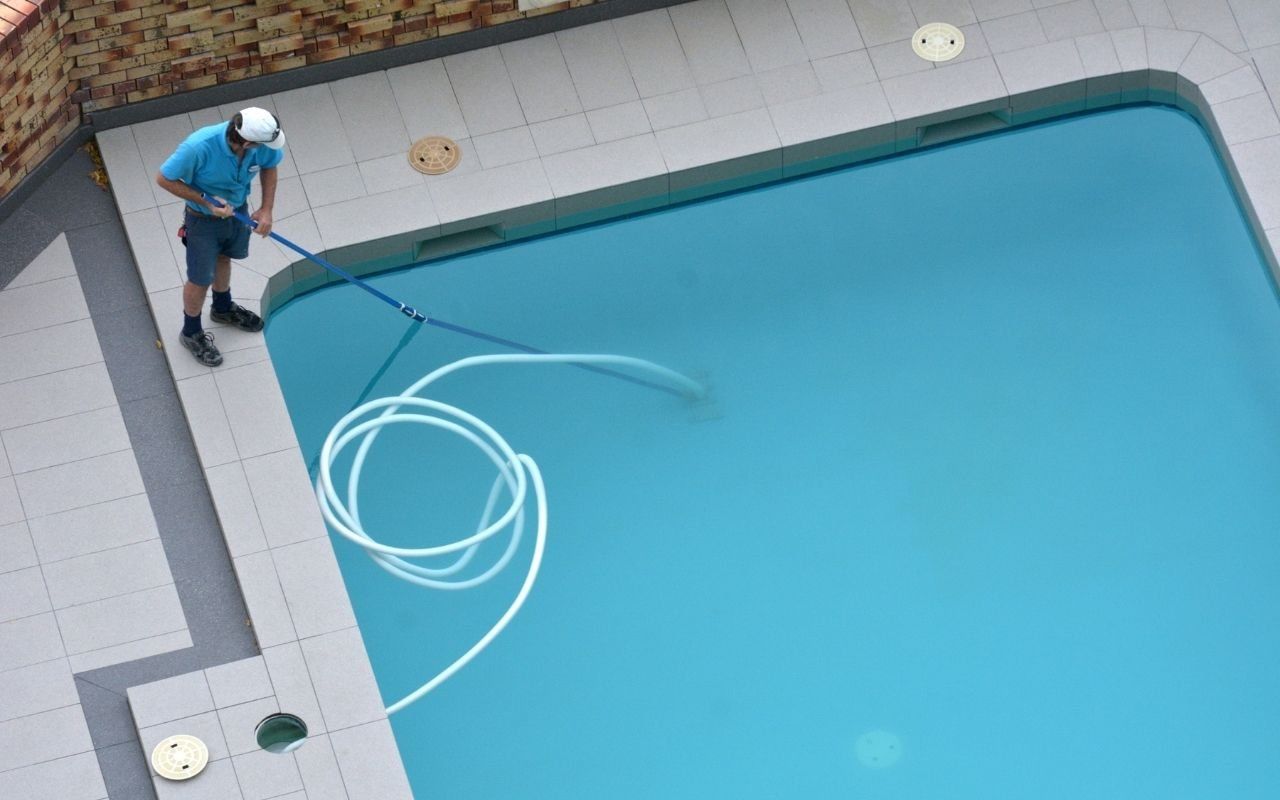
Swimming pools involve a variety of equipment, materials, and chemicals required to construct, operate, and maintain a pool.
Pool construction materials:
- Concrete or vinyl pool frames
- Pool frames and support systems
- Waterproof materials
- Ceramic or natural stone cladding materials
- Ladders and pool equipment
Pool filtration system:
- Filter tank and filter materials (sand, zeolite, fiberglass, etc.)
- Pool pump and motor
- Filter valves and manifolds
- Drainage and drainage systems
Pool water chemicals:
- Disinfectants such as chlorine or bromine
- Chemicals that raise and lower pH
- alkalinity regulators
- Precipitates and flocculants
- Algae inhibitors and algae control products
- water balance chemicals
Pool cleaning equipment:
- Pool cleaning machine or automatic cleaning robot
- Pool buckets or nets
- Filters and cleaning brushes
- Telescopic pool poles
- Pool vacuum systems
Security vehicles:
- Pool fences or gates
- Pool alarm systems
- Life jackets or lifebuoys
- Pool stairs
Pool heating and lighting systems:
- Heating systems (heat pumps, gas or electric heaters)
- Pools or LED lights
What can be done to prevent algae growth in the pool?
Use a regular disinfectant: treat the pool regularly with disinfectants such as chlorine or bromine. This inhibits the growth of microorganisms and prevents algae growth. The pool water should be tested regularly to maintain the recommended disinfectant levels.
Maintain pH balance: Properly adjusting a pool's pH level also helps prevent algae growth. The pH level should normally be between 7.2 and 7.6. Check the pH level regularly and balance it as needed using chemicals that raise or lower the pH.
Use an algaecide: You can use an algaecide to prevent algae growth in your pool. Algae inhibitors are chemicals that are added to the water to stop algae from growing. Use an algaecide that meets your pool's requirements and the manufacturer's instructions.
Clean regularly: Regularly cleaning the pool is important to prevent algae growth. Keep the pool floor clean using a pool vacuum or automatic cleaning robot. Also, regularly remove leaves, mud, or other organic matter that has accumulated on the pool surface with a bucket or net.
Filter system maintenance: Clean the filter regularly and replace the filter materials (sand, zeolite, fiberglass, etc.) if necessary. An efficient filter system helps keep the pool clean and algae-free.
Sunlight Control: Sunlight can promote algae growth. You can prevent algae formation in your pool by using algae control or shading methods, especially on sunny days when your pool is exposed to sunlight.
Click here to view pool chemical products and prices.
What is a pool grate?
A pool grate is a structural element located around the edges of a pool, used to drain water and protect the pool. Pool grates are typically made from durable materials such as plastic, stainless steel, or aluminum.
Pool grilles are designed to prevent water accumulation and slipping on patios, decks, or other areas around the pool. They also serve to enhance the aesthetic appearance of the pool.
There is usually a drainage system under the pool. This drainage system allows water to collect and drain around the pool. This prevents water from pooling and creating a slippery surface.
Swimming pools are available in a variety of models and sizes. Some have a flat profile or grid, while others feature decorative patterns or custom shapes. The grid can be chosen according to the pool's style and personal preferences. Pool grids are an important structural element for enhancing safety, draining water, and making the pool environment more organized and aesthetically pleasing.
What's the best way to clean pool algae?
An effective way to remove algae from swimming pools is to use algaecides. Algaecides are chemicals designed to kill algae and prevent their growth in swimming pools. They are usually available in liquid or granular form and are added to the pool water.
Algae killers typically contain organic or inorganic compounds. They disrupt the structure of algal cells or prevent algae from obtaining nutrients. Algae killers quickly neutralize algae in a pond and prevent algae growth.
Before using chemicals on algae, it is important to consider the following factors:
Algae Type: Identifying the type of algae in your pond is important, as different algae types may respond to different algae control products. In general, a broad-spectrum algaecide can effectively remove a wide variety of algae.
Chemical compatibility: It's important to check the compatibility of algae control products with other chemicals in the pool before using them. Some chemicals can cause unwanted reactions when used together. Carefully read the manufacturer's instructions and seek expert advice on chemical compatibility.
Dosage and usage instructions: It is important to follow the correct dosage and usage instructions for the algae treatment. Do not exceed the recommended dose and use as directed to ensure effective and safe cleaning.
Safety instructions: It is important to observe safety precautions when using pesticides. Use personal protective equipment such as gloves, goggles, and protective clothing. Also, keep the algaecide out of reach of children and pets.