
Pool Chemicals: Importance, Types, and Proper Use
06-06-2023
15:15
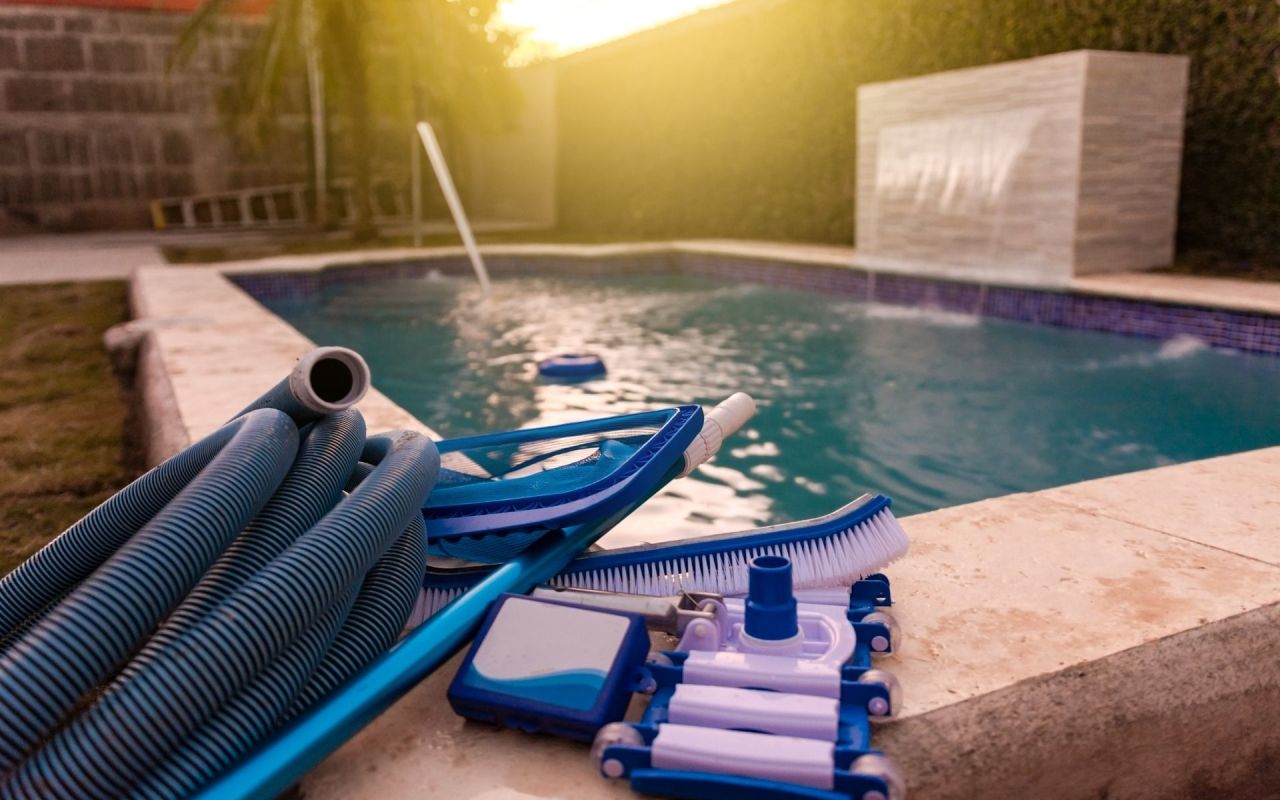
- Clean, healthy, and hygienic pool water is ensured through regular maintenance and the correct use of pool chemicals.
- This blog post will discuss the importance of pool chemicals, their different types, and the correct usage methods.
The Importance of Pool Chemicals:
A. Cleaning:
- Pool chemicals are used to clean the water and control microorganisms.
- The chlorine in the pool kills germs, keeping the water hygienic.
B. Hygiene:
- Using the correct chemicals reduces the risk of germs and diseases in the pool, ensuring a hygienic environment.
- The chemicals prevent the growth of algae, fungi, and other harmful organisms that may develop in the water.
C. Water Balance:
- Chemicals help maintain the pH level within the correct range and improve water quality.
- pH balance ensures that the water is neither acidic nor alkaline, making it suitable for human health.
Types of Pool Chemicals:
A. Chlorine:
- Chlorine, the most commonly used chemical in swimming pools, kills microorganisms, ensuring hygienic water.
- Chlorine can be used in the form of tablets or liquid chlorine.
B. pH Regulators:
- These are chemicals used to balance pH levels.
- Alkaline regulators raise the pH level, while acidic regulators lower the pH level.
C. Algaecides:
- These are chemicals that prevent the formation of moss and other vegetation.
- Algaicides help keep the pool clean and clear.
D. Flocculants:
- These are chemicals used to reduce turbidity and cause particles to settle.
- Flocculants cause small particles in water to clump together, resulting in a larger size that makes them easier to capture with filters.
E. Ozone and UV Systems:
- In some pools, water disinfection is achieved by reducing the use of chemicals through the use of ozone or ultraviolet (UV) systems.
- Ozone and UV rays neutralize microorganisms and help clean pool water.
Proper Use of Pool Chemicals:
A. Dosage:
- Using chemicals in the correct amounts is important. Chemicals should be dosed according to the manufacturer's instructions.
B. pH and Chloride Measurements:
- It is important to regularly measure and monitor pH and chlorine levels.
- It is recommended to use the correct test kits for measurement.
C. Pool Size and Usage Intensity:
- Pool size and usage intensity are factors that affect chemical dosage.
- Chemical use should be adjusted taking these factors into consideration.
D. Regular Maintenance:
- The pool needs to be cleaned regularly, the filter checked, and the pH level of the water monitored.
- Keeping the pool clean increases the effectiveness of chemicals and maintains water quality.
- Pool chemicals are important for cleanliness, hygiene, and water balance.
- With the correct use of chemicals and regular maintenance, you can enjoy a healthy and pleasant swimming experience in your pool.
- Taking into account factors such as pool size, usage intensity, and water pH level, it is important to properly dose pool chemicals.
Click here to go to pool chemicals products.