
All Blogs

How does a pool cleaning robot work?
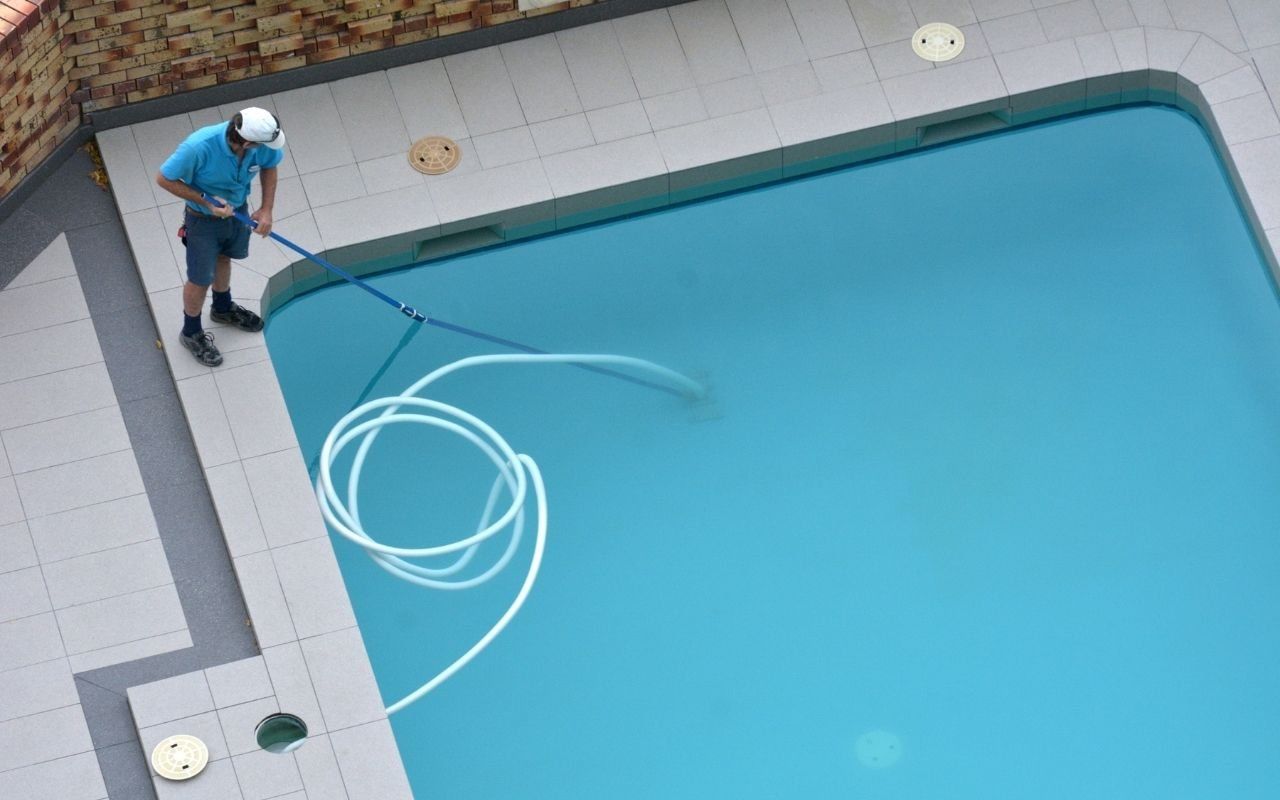
Pool cleaning robots are devices that automatically clean swimming pools. They typically have specialized models that can move underwater and utilize different cleaning methods. The general working principle of pool cleaning robots is as follows:
What are pool supplies?
Swimming pool materials consist of various elements, including the equipment and chemicals necessary for pool construction. Pool construction materials include: Pool frames and support systems; Waterproofing materials; Coating materials (ceramics, natural stone, etc.); Pool ladders and equipment; Pool filtration system: Filter tank and filter materials (sand, zeolite, etc.); Pool pump and motor; Filter valves and manifolds; Drainage and drainage systems; Pool water chemicals: Disinfectants (chlorine, bromine, etc.); pH regulators; Alkalinity regulators; Algae inhibitors and algae control products; Pool cleaning equipment: Pool cleaning machine or automatic cleaning robot; Pool buckets or nets; Strainers and cleaning brushes; Telescopic pool poles; Pool vacuum systems; Safety equipment: Pool fences or gates; Pool alarm systems; Life jackets or life rings; Pool ladders; Pool heating and lighting systems: Heating systems (heat pumps, gas or electric heaters); Pool lights (LED, etc.). These materials are essential for the construction, operation, and maintenance of swimming pools. While pool construction materials form the structure of the pool, the filtration system cleans the water, and chemicals maintain the balance of the pool water. Pool cleaning equipment and safety devices ensure the cleanliness and safety of the pool. Heating and lighting systems enhance the comfort of the pool.

What is a pool filter?
A pool filter is a device used in swimming pools to clean and purify pool water. Its primary function is to remove dirt, particles, and impurities from the pool water. As a result, the pool water remains clean, clear, and healthy. Pool filters also provide water circulation, regulate pH balance, and help maintain chemical balance. Therefore, pool filters are essential for creating a hygienic and safe swimming environment. The working principles and methods of removing pollutants can vary. The most commonly used filter types are sand filters, cartridge filters, and diatomite filters. Sand filters use materials like sand or silica to trap pollutants in the pool water. When dirty water enters the filter, the sand layer traps large particles, and clean water returns to the pool from below. Sand filters are generally preferred in large pools and commercial facilities. Cartridge filters consist of filter elements called cartridges. The cartridges trap particles and pollutants as the water passes through them. Clean water passes through the cartridge and returns to the pool. Cartridge filters are generally used for small to medium-sized pools and spa systems. Diatomite filters utilize diatomaceous earth, a fossilized form of algae. Diatomaceous earth filters pass water through a layer with pores to which even very small particles can adhere. These filters provide high filtration and result in very clean water. Diatomite filters are generally recommended for large pools and professional use. When choosing a pool filter, it's important to consider several factors. These include pool size, usage intensity, water quality, ease of maintenance, and budget. You should select the appropriate filter type depending on the size and usage intensity of your pool. Water quality can also affect filter selection, depending on the amount of particles in your water source. It's also important to pay attention to the maintenance and cleaning of the filters.

What is the purpose of a pool filter?
A pool sand filter is a device used to clean and purify swimming pool water. It removes pollutants, particles, and dirt, keeping the water clean, clear, and healthy. It also ensures regular water circulation, regulates pH balance, and maintains chemical balance. By creating a hygienic and safe swimming environment, the pool filter offers users an enjoyable experience.

Things to Consider When Choosing a Sauna Heater
Choosing the right sauna heater can significantly impact the quality of your sauna experience. Here are the main points to consider: The heating capacity and size of the sauna heater should be suitable for your sauna space. You can save energy by choosing an energy-efficient heater. Opt for a heater with a convenient control panel for easy control and adjustment. Material quality and durability are important for a long-lasting heater. Installation process and compatibility should ensure the heater you purchase is installed correctly. By considering these factors, you can choose the most suitable heater for your sauna and enjoy a pleasant sauna experience.
Types and Prices of Swimming Pool Pumps
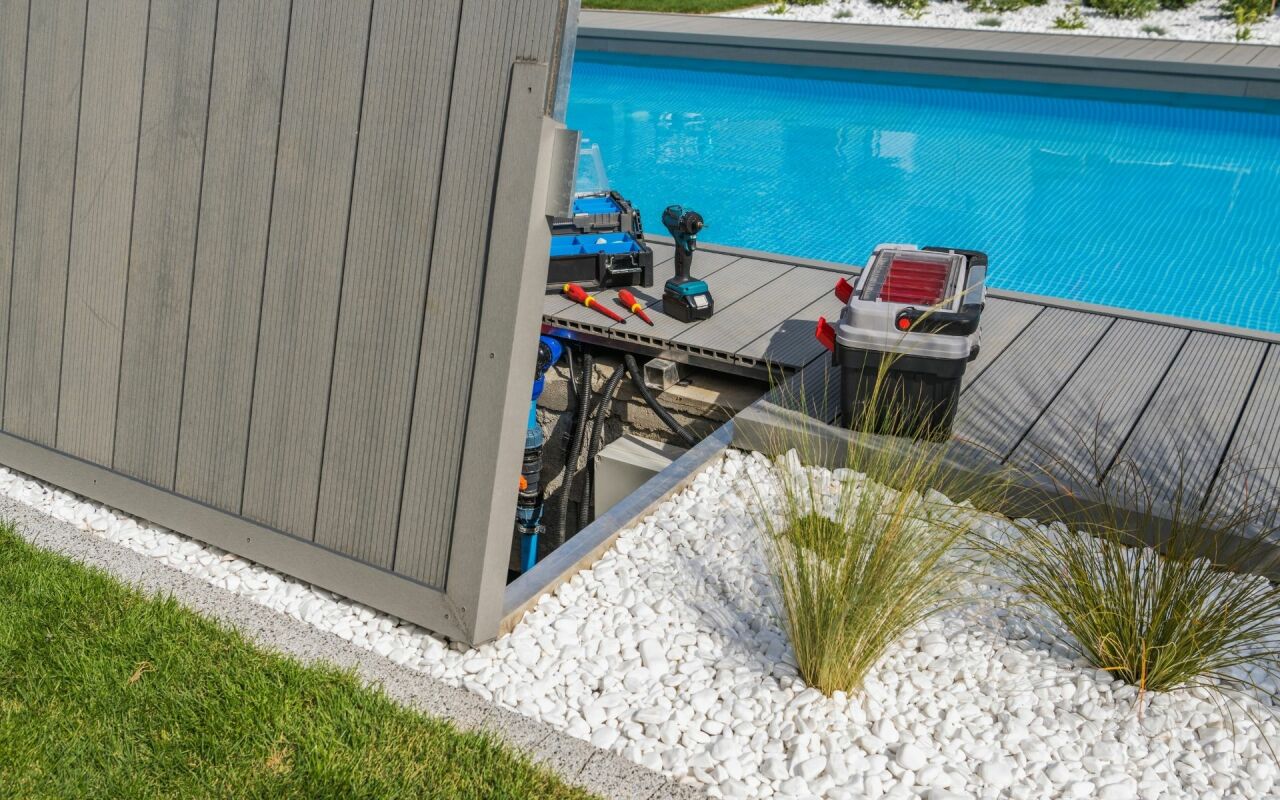
Pool pump types vary according to different pool sizes and usage needs. Different models exist, such as single-speed pumps, dual-speed pumps, and variable-speed pumps. Single-speed pumps are generally suitable for small to medium-sized pools and typically range from $200 to $600. Dual-speed pumps offer low and high-speed operation options and generally cost between $400 and $800. Variable-speed pumps are advanced models that can automatically adjust speed to maximize energy efficiency. Their prices typically range from $800 to $1,500. The electrical consumption of a pool motor depends on factors such as motor power, operating time, pump speed, and pool size. To save energy, it's important to use a low pump speed, optimize operating time, and choose energy-efficient pump models. The heating time of a pool varies depending on factors such as pool size, heat source, environmental factors, and insulation. The typical heating time for a pool can range from 24 to 72 hours. In winter, pool water is usually maintained between 10-15 degrees Celsius. This temperature is sufficient to prevent the water from freezing and to protect the pool from damage. Higher temperatures can increase energy consumption, so keeping the water temperature low saves energy.
How does a pool pump work?
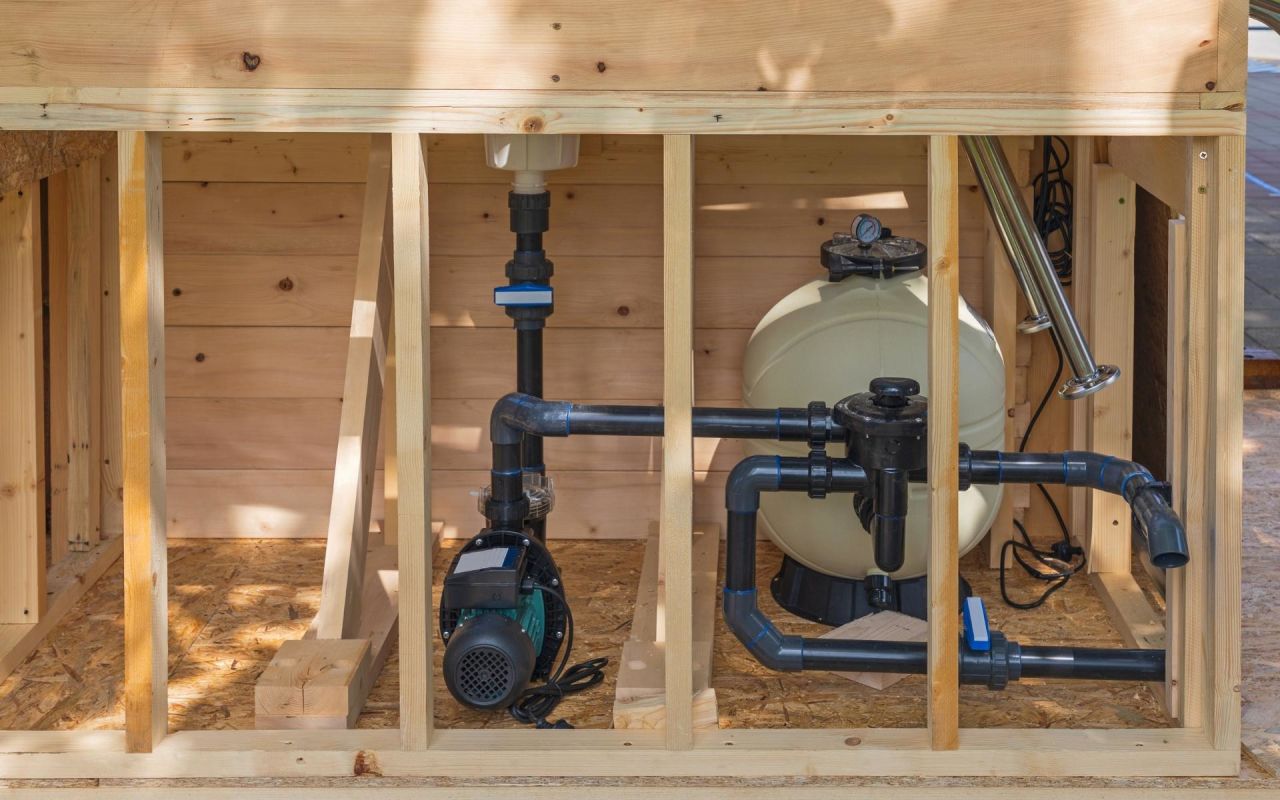
A pool pump malfunction can have a number of negative effects on your pool. These effects include poor water circulation, deteriorated water quality, chemical imbalances, pressure problems, and decreased energy efficiency. Low water circulation causes dirty water to stagnate and not mix. Water quality deteriorates, and dirt, leaves, and other particles accumulate in the water. A chemical imbalance can weaken the water's protection against microorganisms and make the water unhealthy due to uneven distribution of chemicals in the pool. Pressure problems manifest as a drop or increase in pressure, disrupting the system's balance. Insufficient pressure hinders water circulation, while high pressure can cause the pump to overpressurize and waste energy. A faulty water pump has a negative impact on energy efficiency and can lead to higher energy bills and operating costs. Repairing the pump, cleaning or replacing filters, resolving pressure problems, and improving energy efficiency are essential solutions to these problems. Pool maintenance and regular inspections help detect pump malfunctions in a timely manner and keep the pool healthy and clean.

What is an Adventure Shower?
Adventure showers are specialized shower systems frequently used in sauna and spa concepts. These showers are equipped with different water jets, massage functions, and lighting features. Benefits offered to users of adventure showers include relaxation, stress relief, improved blood circulation, and skin care. Misa Company aims to provide customers with an unforgettable sauna and spa experience by offering a variety of adventure shower models.
What is a pool pump and how does it work?
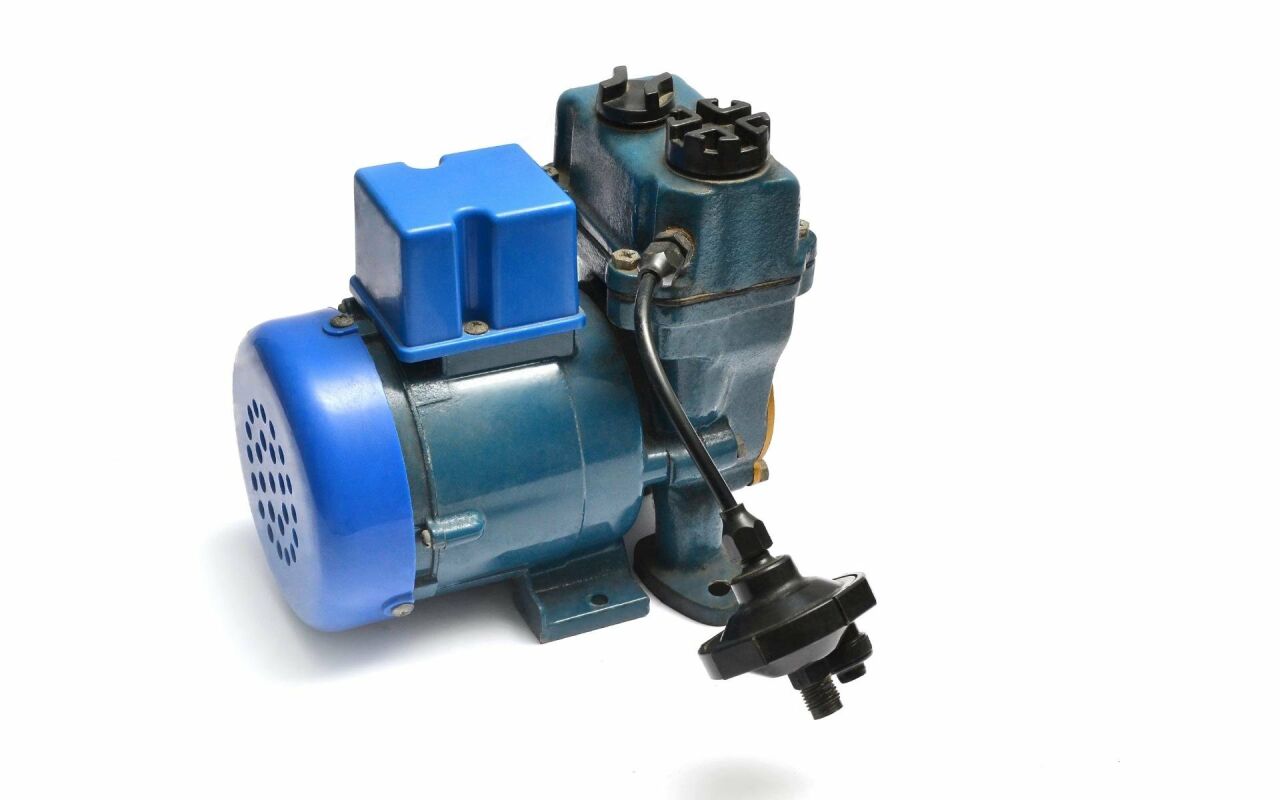
A pool pump plays a vital role in keeping a pool clean and healthy. It draws water from the pool, directs it to the filter, and then pumps the purified water back into the pool. The pool pump ensures water circulation, performs the filtration process, and distributes chemicals. Pool pumps can malfunction due to electrical problems, filter issues, leaks, overloading, and misuse. Overheating can also cause pumps to burn out. As preventative measures, regular maintenance, checking electrical connections, cleaning filters, fixing leaks, and proper pump usage are recommended.

How is a swimming pool pump calculated?
This text covers pool pump calculation methods, pool water pump selection, pool circulation system operating principles, automatic pool dosing pumps, and pool cleaning. The Pool Pump Calculation Methods section explains how to calculate the volume of a pool by measuring its length, width, and depth to determine the total amount of water in the pool. It also discusses determining the pump's flow rate and selecting the appropriate pool pump. The Pool Water Pump Selection section explains that factors such as pool size and capacity, rotational speed, filtration system, energy efficiency, noise level, brand, and quality should be considered. The importance of research and user reviews when choosing the right pump is emphasized. The Swimming Pool Circulation System Operating Principle section explains how a swimming pool circulation system works step-by-step. The cooperation of components such as the pool pump, skimmer and filter, pool heating or disinfection system, and return nozzles ensures continuous water filtration and purification. When the pool's automatic dosing pump is finished, it is determined whether the automatic dosing pump is producing the correct amount of chemicals continuously added to the pool. The importance of regularly checking and adjusting pH balance, disinfectant levels, and other chemicals is emphasized. The automatic dosing pump has been shown to provide accurate and continuous dosing and ease of use. Finally, the text discusses pool cleaning, highlighting factors related to the frequency and duration of cleaning. It has been determined that factors such as frequency of use, pool size, location, and filtration system affect the cleaning time. A weekly cleaning cycle is recommended, and the importance of cleaning procedures such as surface cleaning, filter cleaning, and water chemical management is emphasized. The text summarizes basic information about pool pumps, circulators, automatic dosing pumps, and pool cleaning.
Pool Pump Power Consumption
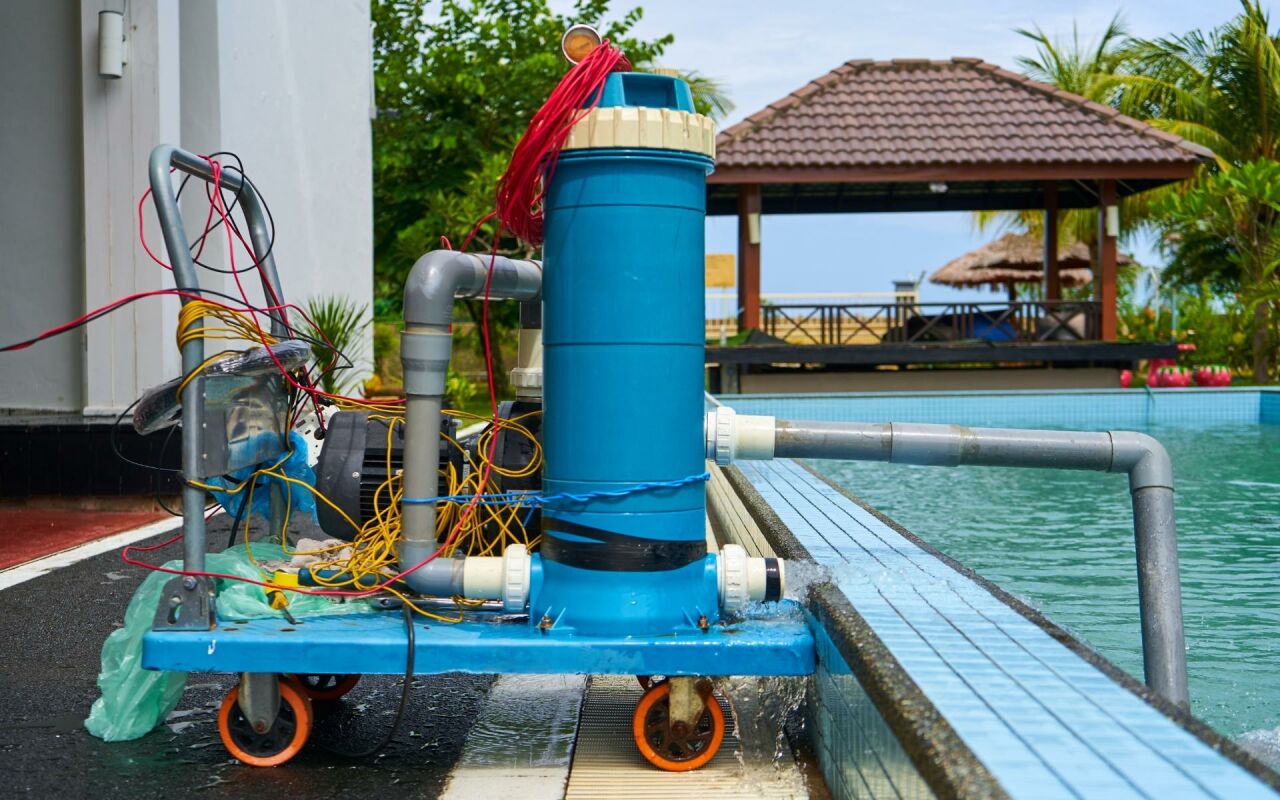
We are sharing important information about the power consumption of pool pumps. Pool pumps play a vital role in pool cleaning and water circulation. Energy consumption refers to the pump's energy consumption in watts and varies depending on the pump's capacity and efficiency. Choosing an energy-efficient pool pump can help reduce energy costs and make it more environmentally friendly. In this article, we also share factors to consider when choosing an energy-efficient pool pump and tips for increasing energy efficiency. You can save energy by adjusting pump hours, pump speed, and keeping the filter system clean. We also provide information on the importance of your pool pump's timing and how to calculate it. You can determine the ideal operating time by considering the pool's characteristics, water volume, and usage intensity. Recommended opening hours for villa pools and communal pools will be announced separately. Finally, we will discuss the factors affecting the price of a pool pump and the general price range. The cost of pool pumps generally ranges from 5,000 TL to 50,000 TL, and things like features, energy efficiency, and energy consumption can affect the price.
How to Choose a Pool Pump
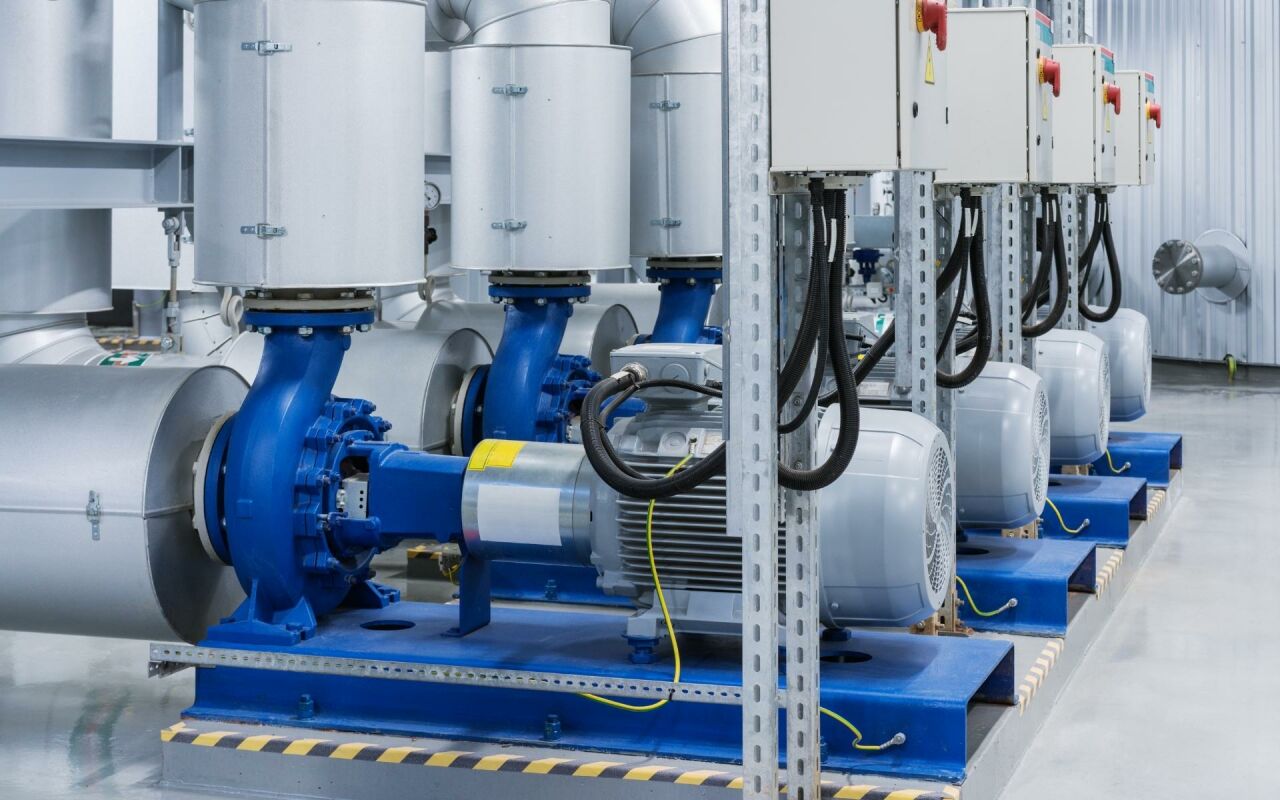
Choosing the right pool pump is crucial for keeping your pool clean and clear. Regular and thorough filtration of the water is essential for a healthy and usable pool. The pool circulation pump is a vital part of the filtration system, drawing water from the pool and sending it to the pool filter. Therefore, factors such as the pool filter and capacity are very important when selecting a pool pump. When choosing a pool pump, it's important to consider the following: Overflow capacity: How much water the pool pump can handle is important. You should choose a pump with an overflow capacity suitable for your pool's dimensions and needs. Plumbing compatibility: Check if your existing plumbing is compatible with the pool pump. It's important that the pump's inlet and outlet connections are suitable for installation. In addition to the above factors, accurately calculating the pool's volume is also crucial when choosing a pool pump. You can use the pool's length, width, and depth to calculate its volume. The calculation will give you the volume of your pool in liters or cubic meters. After determining the pool's volume, you should determine the pump's operating time. Remember that the pool needs to be thoroughly filtered at least once a day. You can set how many hours the pump will run, selecting the duration based on the pool's characteristics and frequency of use.

How long does it take to warm up in a sauna?
Misa brand sauna heaters stand out with their fast heating time and high efficiency. They quickly bring the sauna cabin and stones to the desired temperature, offering users a faster and more effective sauna experience. Sauna heating time typically ranges from 20-30 minutes. With their high-quality performance, Misa sauna heaters are an ideal choice to maximize your sauna enjoyment.

What is a home sauna? How does a home sauna work?
Home saunas are considered a fantastic accessory that offers many benefits to their users. These sauna models provide relaxation and stress reduction at home. Entering a sauna causes body temperature to rise and sweating to occur, which helps relax muscles and reduce mental tension. Furthermore, home saunas help eliminate toxins from the body. Sweating allows heavy metals, pollutants, and other harmful substances to be removed from the body through the skin. Using a sauna also increases blood circulation, helping oxygen and nutrients to be transported to tissues more effectively. This helps speed up the healing process. Home saunas also strengthen the immune system. They raise body temperature and stimulate the immune system, helping the body resist infections and diseases. Problems such as muscle pain, stiffness, and tension can also be reduced with a sauna. Thanks to the high heat, the sauna relaxes muscles and increases blood circulation, accelerating healing. Saunas also support skin health. Sweating in the sauna cleanses the skin and opens pores. By improving skin health, it helps reduce problems such as acne and blackheads. However, everyone's health condition is different. Therefore, if you have specific medical conditions or a pregnancy, it is important to consult your doctor before using a sauna. In general, home saunas offer many health benefits and contribute to a relaxing and stress-relieving experience at home.
Chemical Use in Swimming Pools
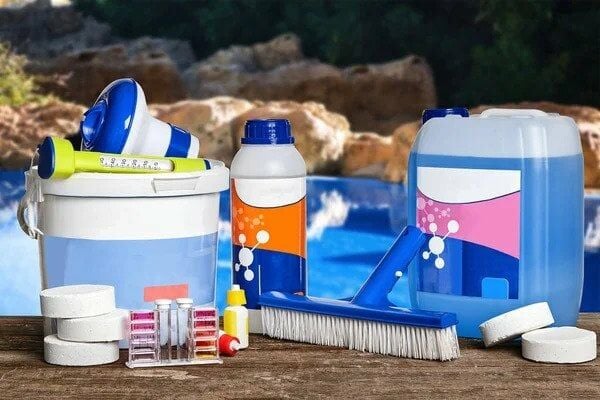
Swimming Pool Chemicals and Their Uses: Pool chemicals are crucial for keeping pools clean, healthy, and hygienic. These chemical products are used to balance, disinfect, and maintain pool water. Here is a summary of the uses and benefits of pool chemicals: Chlorine: Chlorine products are the most commonly used chemical for disinfection purposes in swimming pools. Chlorine kills germs, bacteria, and algae in the pool, keeping the water clean and healthy. pH Regulators: The pH value of the pool determines the acidity or alkalinity of the water. pH regulators keep the pH level of the water within the ideal range and ensure water balance. They prevent eye and skin irritation and increase the effectiveness of disinfection. Alkalinity Enhancers: Alkalinity is important in maintaining the pH balance of the water. Alkalinity agents regulate the alkalinity of the water and help keep the pH stable. Hardness Tests: Hardness determines the amount of dissolved calcium and magnesium in the water. Hardness regulators regulate the water hardness level, preventing the formation of limescale that damages the water and extending the life of the equipment. Algae inhibitors: Algae inhibitors are used to prevent the growth of algae in pool water. Algae inhibitors keep the water clean and prevent algae formation. Clarifier: The clarifier removes turbidity and particles from the water, giving it a clearer appearance. This chemical binds fine particles together, making them easier to remove through filtration.

What is a Salt Room? What are its Benefits?
Salt Room Construction and Benefits This blog post will provide information about constructing a salt room and the benefits it offers. A salt room is a therapeutic space requiring special design and equipment. Salt rooms, whose interior walls are coated with special salt materials, allow the salt to disperse in the air. A salt generator further enhances the effectiveness of the therapy by dispersing salt particles into the air. Salt rooms are used as a treatment method known as salt therapy. Salt therapy can help with various health problems such as respiratory ailments, allergies, stress, and sleep disorders. Salt room therapies soothe the respiratory tract, strengthen the immune system, and provide overall relaxation thanks to the anti-inflammatory, antiviral, and antimicrobial properties of salt.

How should a steam room generator be selected?
What are the Safety Rules for a Steam Generator? This section outlines the basic safety rules that must be followed for the safe use of steam generators. The summary is as follows: It is important to pay attention to the following safety rules for the safe use of steam generators: Follow instructions. Keep away from unauthorized persons. Perform careful assembly and installation. Pay attention to electrical safety. Provide protection against overheating. Take fire precautions. Perform periodic maintenance. Create an emergency plan. By following these rules, the safe use of the steam generator can be ensured. However, since each generator model may be different, it is also important to consider the instructions provided by the manufacturer.

What are the benefits of a steam room?
It's important to understand the differences between a steam room and a sauna. A steam room operates with high humidity and medium temperature, while a sauna operates with low humidity and high temperature. A steam bath moisturizes the skin and respiratory tract, while a sauna has less of a moisturizing effect. Both options offer different sweating effects. A steam bath increases sweating, while a sauna can cause more intense sweating. Your choice depends on your personal needs, health, and comfort. It's important to consult a doctor before using either, especially if you have any health problems or are pregnant.

Which Sauna Doors Are Best to Choose?
When choosing sauna doors, it's important to pay attention to the materials and types available. Wooden doors offer a traditional look, while glass doors add a modern touch. Combination doors, on the other hand, combine durability and aesthetics. When selecting doors, it's crucial to consider thermal insulation, durability, safety, and ease of maintenance. Choosing the right door to complement your sauna experience ensures a pleasant experience.

How to operate a sauna stove.
Sauna heaters are an essential component of the sauna experience. The Misa brand is known for its high-quality and reliable sauna heaters. We will explain step-by-step how to operate your Misa sauna heater and focus on the points you need to pay attention to for safe use. Here are the steps to follow to operate your Misa sauna heater.